Wireframe displays
Wireframe light figures along a rail-tourism route
Track lighting sets the scene. Wireframe figures give riders something to point at. Here is where wireframe displays fit into a railbike lighting plan.
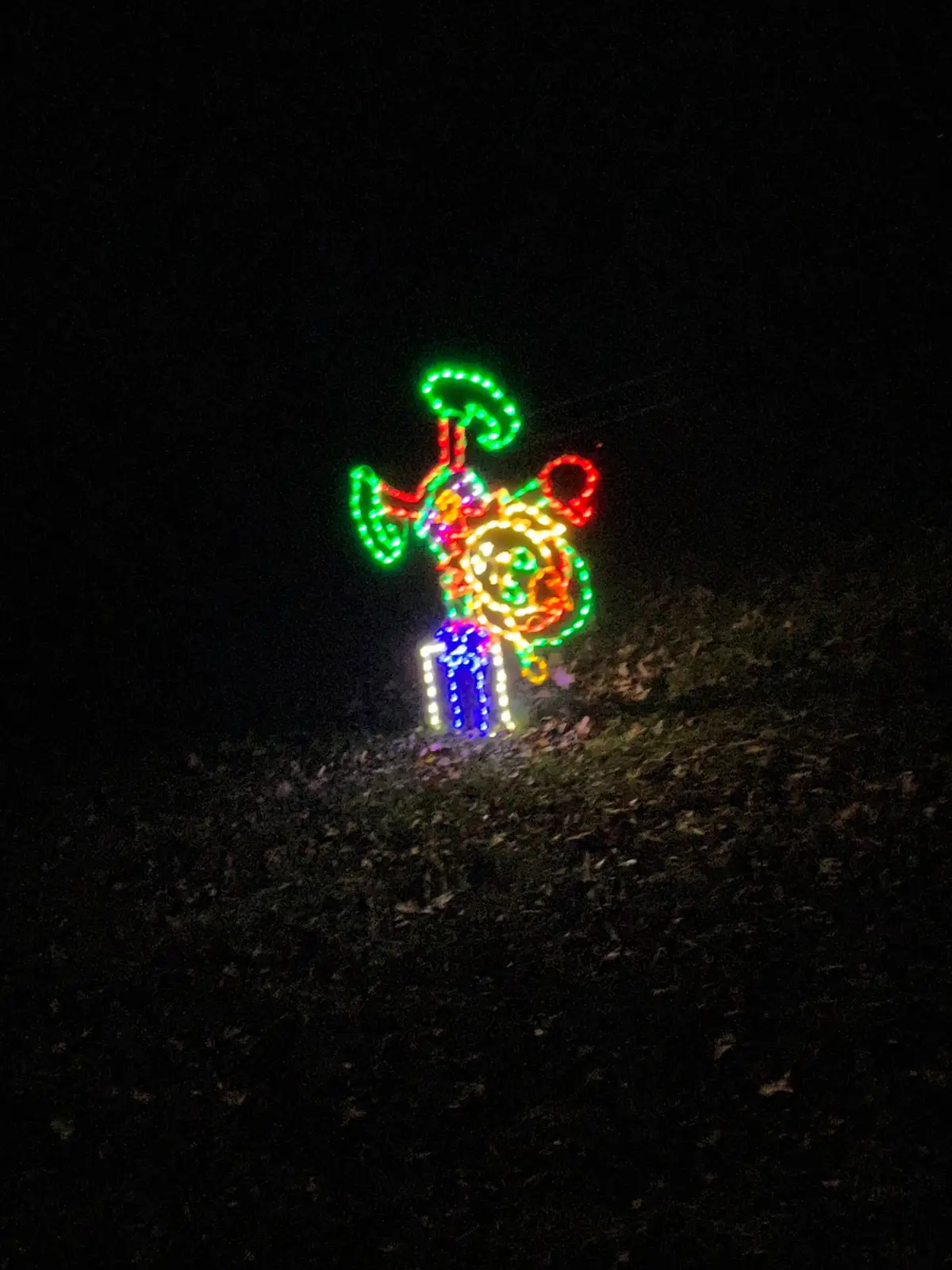
What a wireframe display actually is
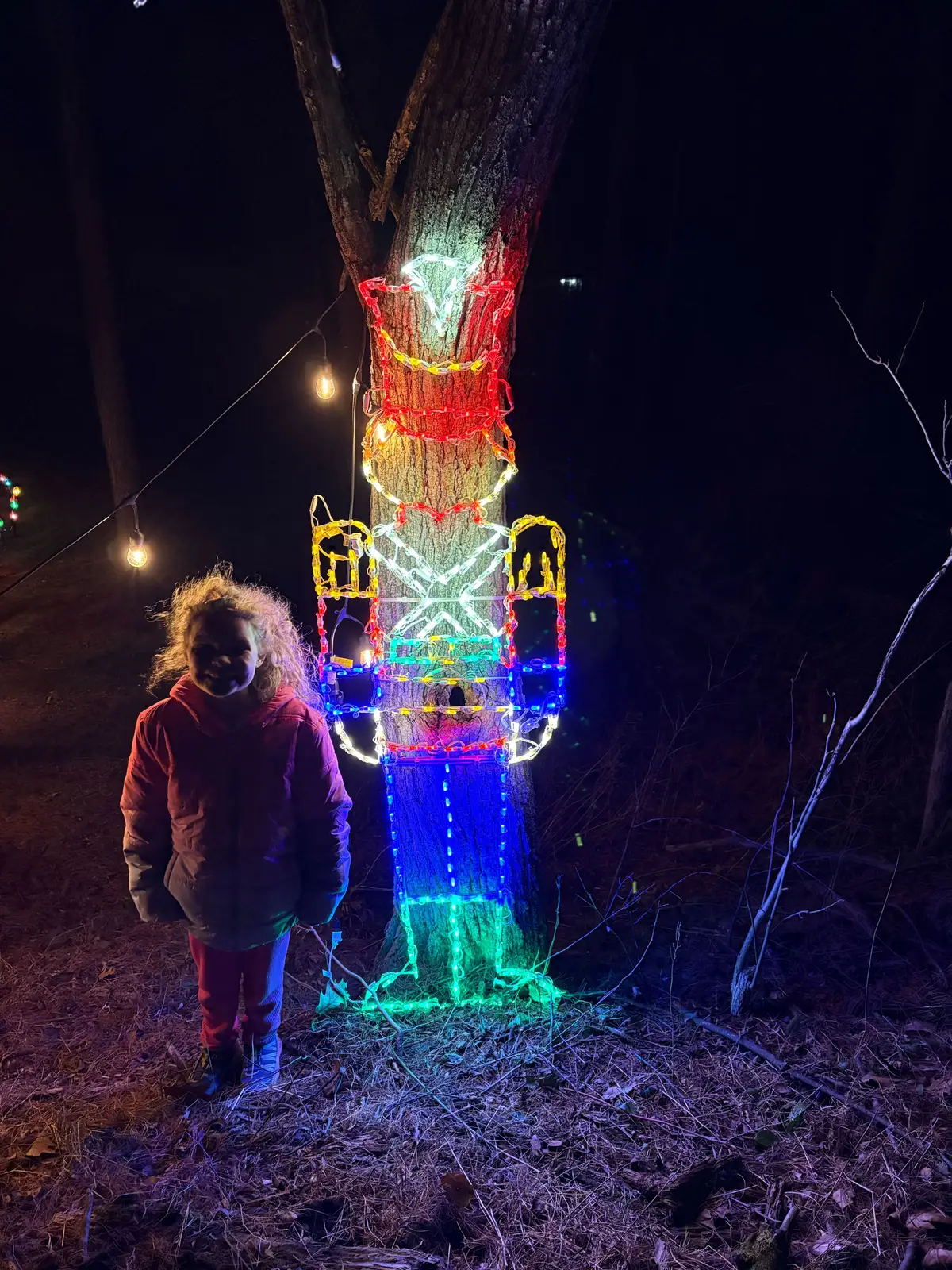
A wireframe display is a standalone lit figure, built on a metal frame and wrapped in lighting, set beside the track rather than mounted to a structure. A nutcracker or an elf are the two figures that show up on Thraxel's railbike projects, positioned along the line as landmarks riders pass on the way through.
The frame carries its own lighting rather than borrowing from the track run beside it, which is what lets it read as a distinct figure at night instead of blending into the general glow of the corridor.
It is a different install than the RGBWW track and trestle lighting covered elsewhere on this site. Track lighting reads the whole corridor; a wireframe figure reads as one specific thing to notice and remember.
The frame itself is designed to hold up outdoors for a season of nightly use, not a single evening. It gets installed, checked during the same mid-season visit that covers the rest of the route, and stored the same way the rest of the seasonal equipment is.
Why they work on a ride moving at a set pace
A railbike moves at a steady, unhurried pace, which is exactly the speed a wireframe figure needs to register. Riders are not walking past it and glancing away, they are gliding by with a few seconds to actually see it, which is longer than most static yard displays get from a passing car.
That pacing is what makes a figure worth the photo. Riders point cameras at something specific rather than a general glow along the tree line, and that photo is free marketing the operator did not have to produce.
Compare that to a drive-through light display, where a figure is visible for a second or two through a windshield before the car moves on. A railbike gives a figure several times that window, which is part of why the format works so well for this kind of attraction.
Where figures get placed on the route
Placement usually favors a clearing or a gentle curve, somewhere the figure has a clean sightline instead of being obscured by brush or a support beam. A straightaway works too, but a curve gives riders a longer look as the railbike comes around.
Seasonal growth is part of the planning too. A spot that is clear in a fall install can fill in with brush by the following December if nobody accounts for it, so placement favors sightlines that hold up rather than ones that only work on install day.
Tunnels are generally not where a figure goes. The lighting inside a tunnel is built around marking the path and walls rather than adding a standalone piece, and a figure crammed into that space competes with the structural lighting instead of complementing it.
Spacing between multiple figures matters too, if a route has more than one. Placing them too close together turns two separate landmarks into a single cluster riders barely have time to register individually; spreading them out gives each one its own moment.
Scoped in the same visit as the rest of the lighting
Wireframe figures are not a separate quote or a separate install trip. They get planned during the same route walk that covers the trestle, tunnel and track lighting, and installed alongside everything else so the whole corridor comes together as one project.
Commissioning covers them too, confirmed working and checked from a moving railbike, the same standard applied to every other zone on the route.
That single-visit approach also means a figure's lighting can be tied into the same scene changes as the rest of the corridor. When the controller switches the trestle to the Christmas scene, the figure switches with it rather than staying on a separate, unrelated setting.
These are a Christmas-season fixture on the routes Thraxel has lit
On the projects Thraxel has run, wireframe figures like the nutcracker and elf are part of the December build, tied to the same Christmas scene that runs on the track and trestle lighting. They come down with the rest of the seasonal equipment during takedown.
That does not mean a figure could never be part of a non-holiday event; it means the two figures currently used on Thraxel projects, the nutcracker and the elf, are the ones built specifically for a Christmas display rather than a general-purpose landmark.
The track and trestle system underneath runs year-round on other scenes, warm white, Halloween, July 4th, Game Day. The wireframe figures are the piece that is specifically built for the holiday event.
Adding wireframe figures to a route
Bring it up during the initial route walk rather than after the rest of the lighting is designed, since placement works best when it is planned alongside the trestle, tunnel and track work rather than squeezed in afterward.
AJ scopes the full railbike package, wireframe figures included, at 240-730-4064. thraxel.com/blog/christmas-railbike-events/ covers how these figures fit into a full December event.
For an operator still deciding between a full route build and a lighter, event-specific setup, thraxel.com/blog/lighting-a-rail-route-for-tourism/ walks through how the design phase scopes both track lighting and standalone pieces like these figures together.