Structure lighting
Lighting a trestle and a tunnel on the same route
A trestle and a tunnel are the two hardest structures on a rail-tourism route to light well. Here is what makes each one different and how the same system handles both.
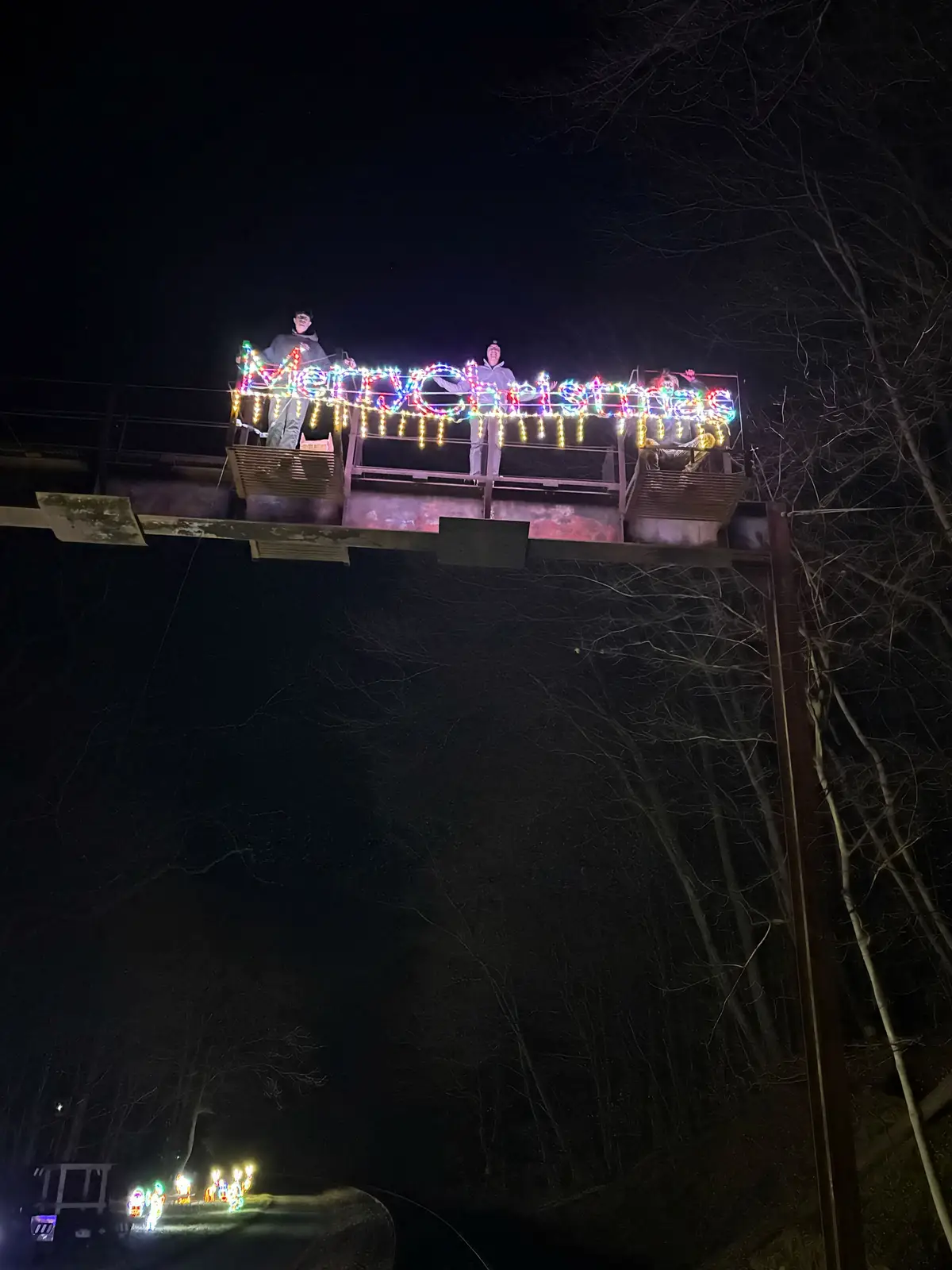
Two structures, two different lighting problems
A trestle sits exposed above open air, sometimes over a creek, catching full wind and weather from every side. A tunnel is the opposite problem: enclosed, dark, with its own airflow and moisture, and a hard transition from bright track lighting to whatever is happening inside.
Both show up on the same route, sometimes a quarter mile apart, and both need a different lighting approach even though the hardware underneath is identical.
Getting both right on the same visit is part of why this work gets scoped alongside the rest of the corridor rather than as a stand-alone add-on. A crew that has already mapped the trestle understands the tunnel differently, since riders experience the two back to back.
What a trestle install has to survive
A trestle takes wind, vibration from every railbike that crosses it, and in a lot of cases sits over water. The IP67 marine-grade silicone housing on 16-gauge wire that Thraxel uses on docks and waterfront property is the same spec applied to a trestle, and it is salt-tested rather than just rated for rain.
Mounting has to account for the structure moving slightly under load, which a rigid mount on a house roofline does not need to consider. Fixtures get secured with enough give that vibration does not work a connection loose over a season of nightly crossings.
Because every pixel is individually addressable, a trestle does not have to run one flat color end to end. A run can shift gradually from one end to the other, or hold a static warm white with a color accent at the center span, all mapped during design rather than decided on the fly.
Lighting a tunnel without blinding the rider
A tunnel mouth lit too brightly does the opposite of what an operator wants: it makes the inside look darker by contrast and can leave a rider's eyes struggling to adjust once they are through it. The approach is usually a gradual build, warm and low near the entrance rather than a wall of brightness.
Inside the tunnel itself, lighting is placed to mark the path and the walls rather than to flood the whole space, which keeps the ride feeling like a tunnel and not a hallway.
Moisture is a bigger factor inside a tunnel than almost anywhere else on a route, since airflow and condensation build differently underground than they do in the open. The same IP67 marine-grade housing used on a trestle is what makes a tunnel install practical in the first place.
Mounting hardware to structures nobody built for lighting
Trestles and tunnels were built to carry track, not wiring. Color-matched aluminum track gets adapted to whatever trusses, beams or masonry the structure actually has, tucked in wherever it can sit without interfering with maintenance access or the structure's own inspections.
Where a structure has any historic or regulatory status, Thraxel's permit-aware approach applies here the same as it does on a residential job: the paperwork gets handled before ladders or lifts go up on the structure.
A lot of rail infrastructure this old was never wired for anything beyond a signal light, so run planning has to account for where a controller can sit dry and accessible without running conduit across a right of way that maintenance crews still use.
Why this gets commissioned, not just installed
Every zone on a trestle or in a tunnel gets tested and confirmed working before the crew leaves, the same commissioning step used across every railbike project. That includes a sightline check from an actual railbike moving through the structure, not just a look from the ground.
Commissioning also confirms how the trestle and tunnel scenes hand off to each other. A rider crossing from an open trestle into an enclosed tunnel notices a jarring color or brightness change more than almost any other transition on the route, so the two get tested together, not separately.
That check matters more here than almost anywhere else on the route. A fixture that looks right from a fixed point on the ground can still be wrong from a rider's seat moving through at a walking pace.
Getting a trestle or tunnel scoped
These are the two zones on any route walk that get the most attention, since they carry the most risk and usually the most payoff as a photo. A lit trestle running a Christmas scene is often the single image an operator uses to sell the whole night ride.
Bringing photos or measurements of the structures to the first call, if an operator already has them, can speed up the initial design conversation, though it is never required. The site walk itself is built to capture whatever a phone camera or a tape measure might have missed.
AJ scopes trestle and tunnel work directly at 240-730-4064, as part of the same free consultation used for the rest of the route. thraxel.com/railbike/ has the full service list this fits into.
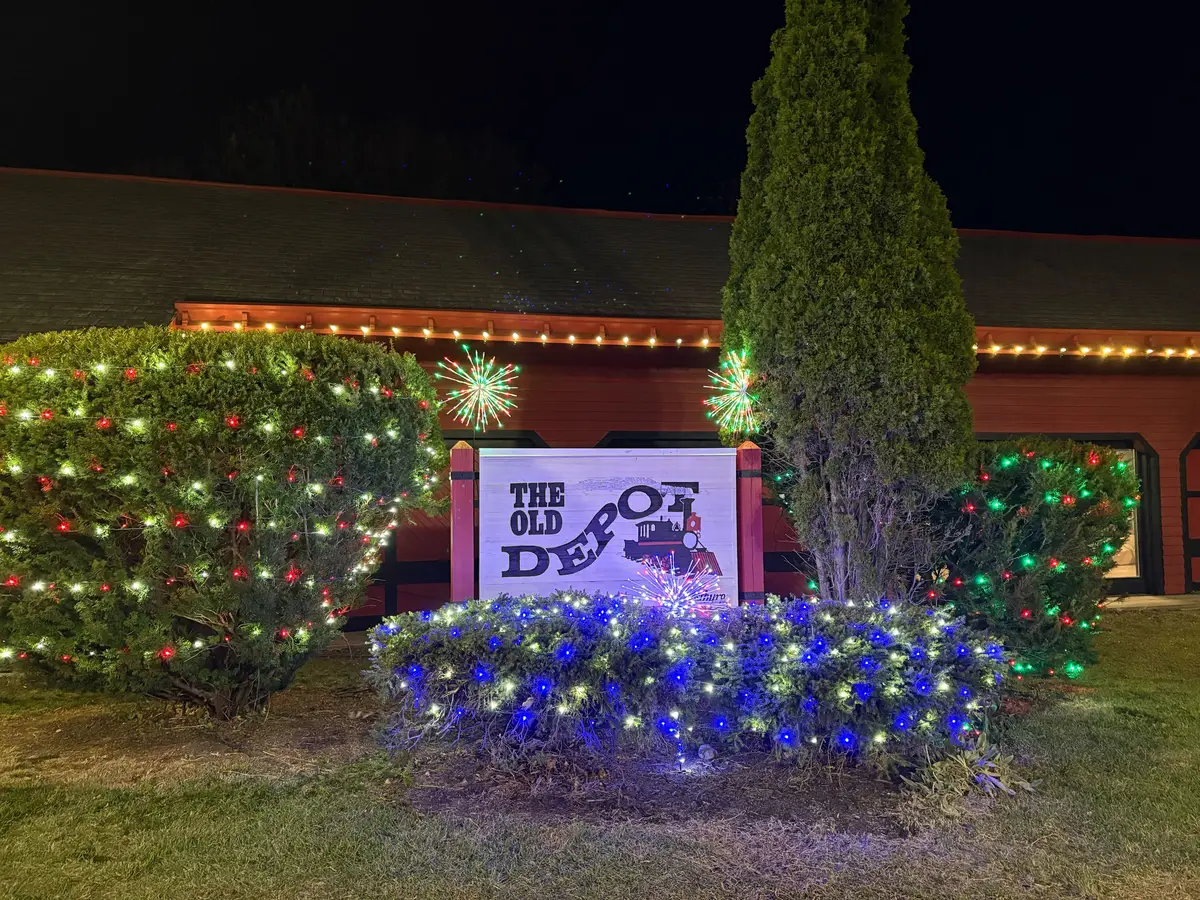
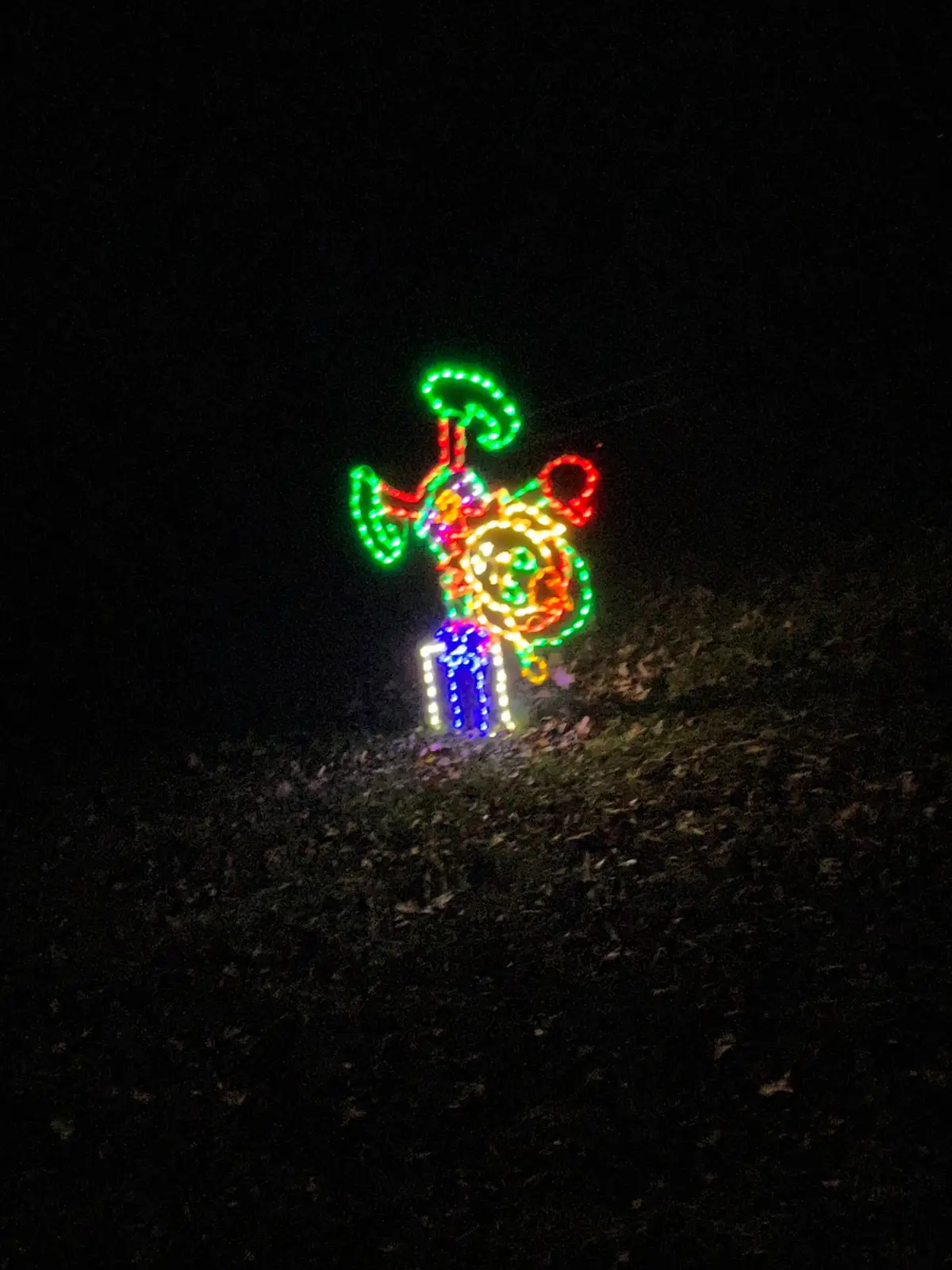
For the rest of the corridor, track-side runs, the depot and any wireframe figures, thraxel.com/blog/lighting-a-rail-route-for-tourism/ covers how the full route design comes together around these two anchor structures.