Route lighting
How a rail-tourism route gets lit, start to finish
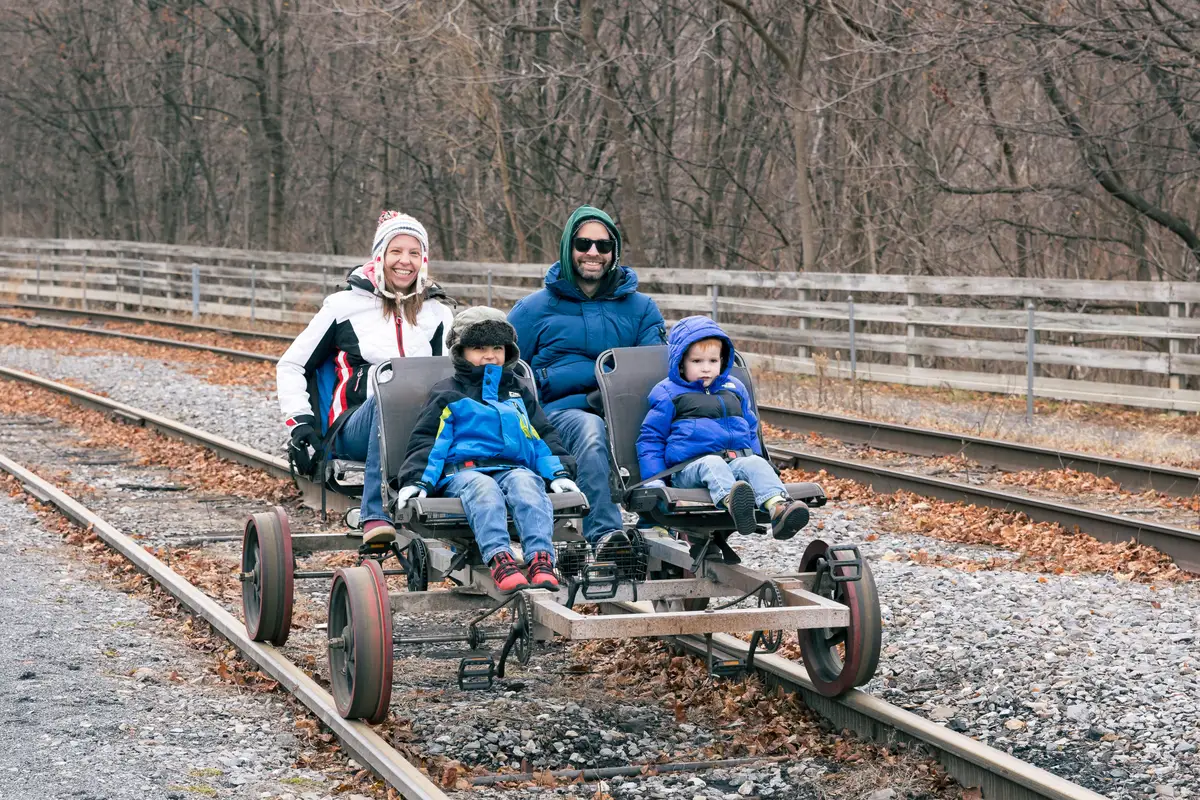
A railbike or excursion route is not a house. It is a corridor: trestles, tunnels, a depot, tree lines. Here is how Thraxel scopes and installs lighting along one, not just around a building.
A rail corridor is a different lighting job
A rooflines job lights one structure from one ladder. A rail-tourism route is a half-mile or more of track, with a trestle at one end, a tunnel mouth in the middle, and a depot building at the start. Each zone needs its own plan instead of one repeated pattern.
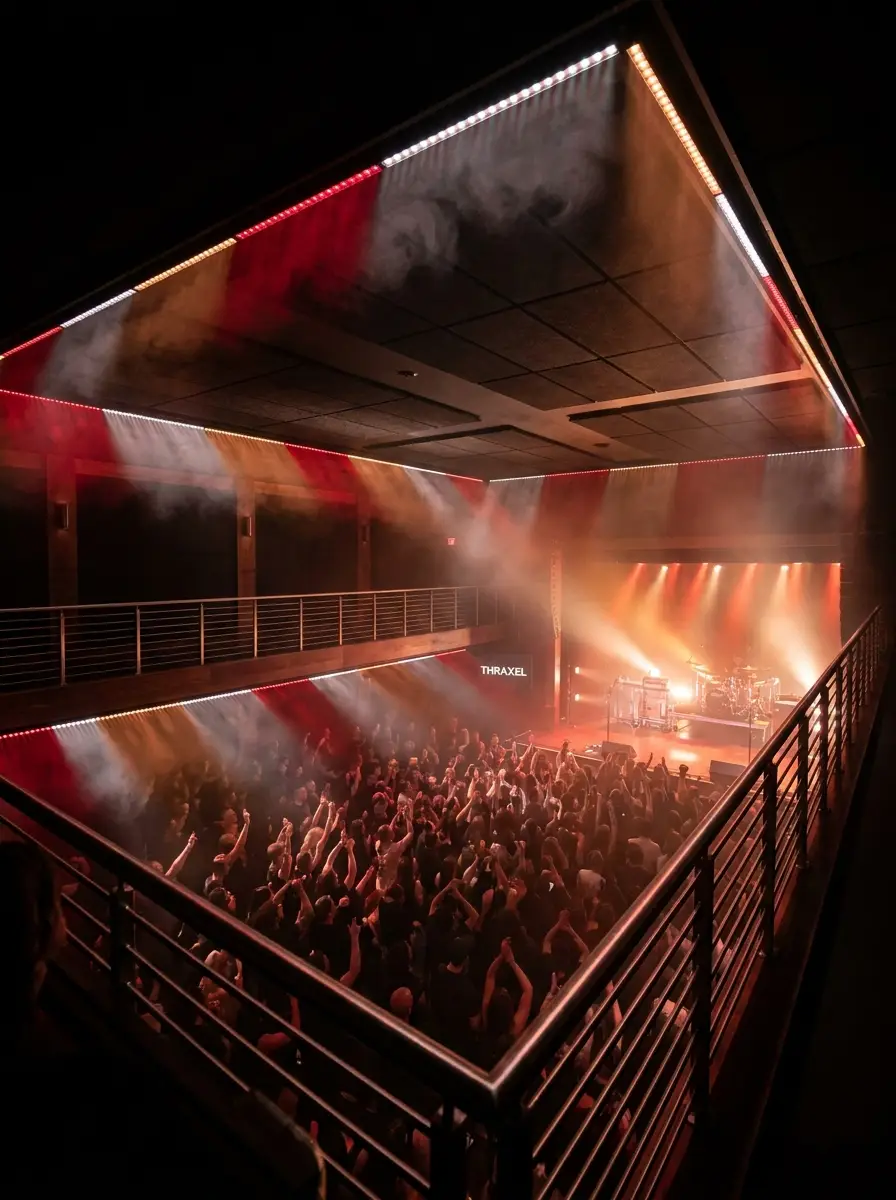
Thraxel treats a railbike or excursion route the same way it treats a large commercial property: venues, hotels, plazas and rail lines all get the commercial version of the same permanent system, scaled to the site instead of shrunk to fit a house.
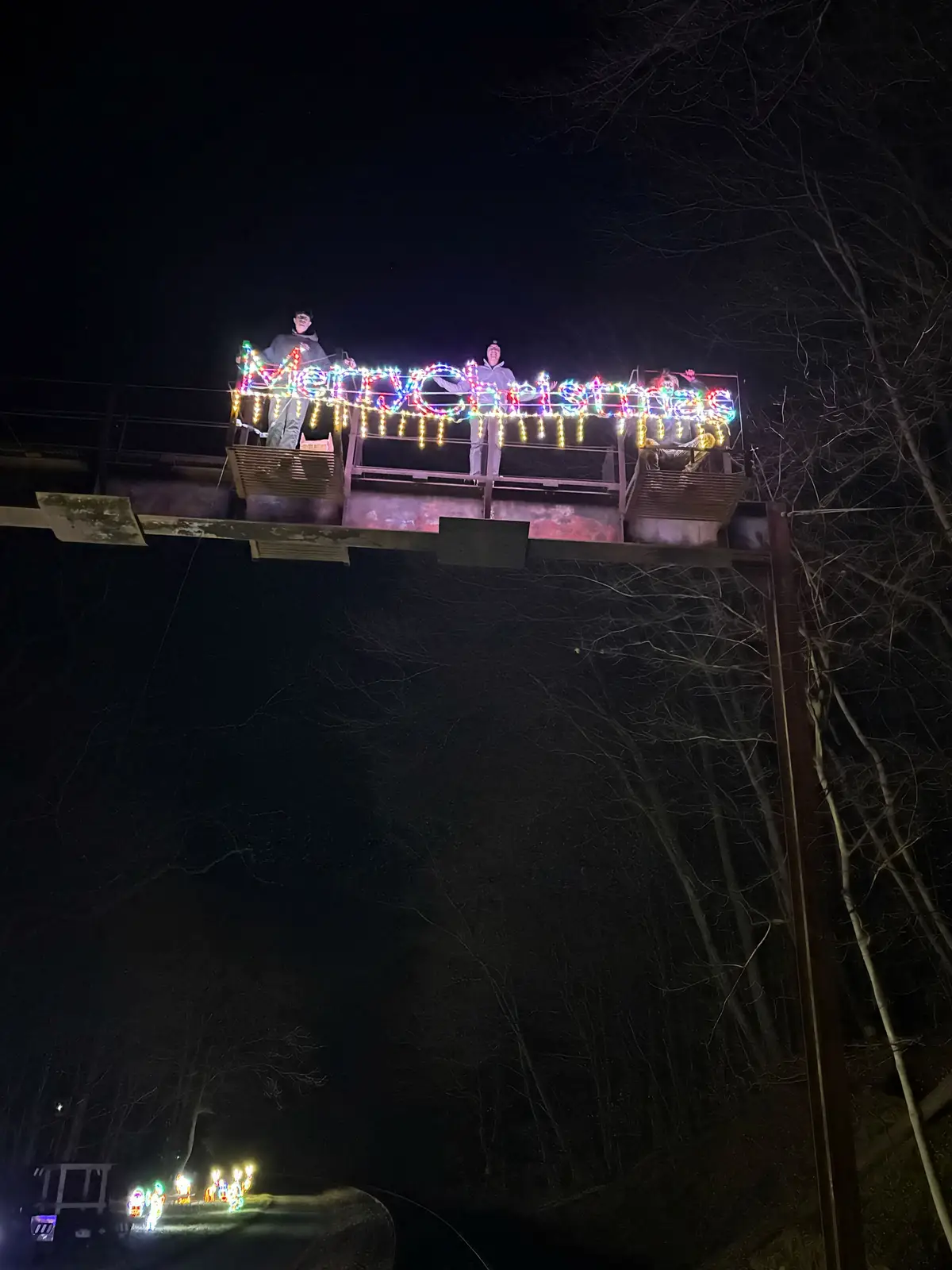
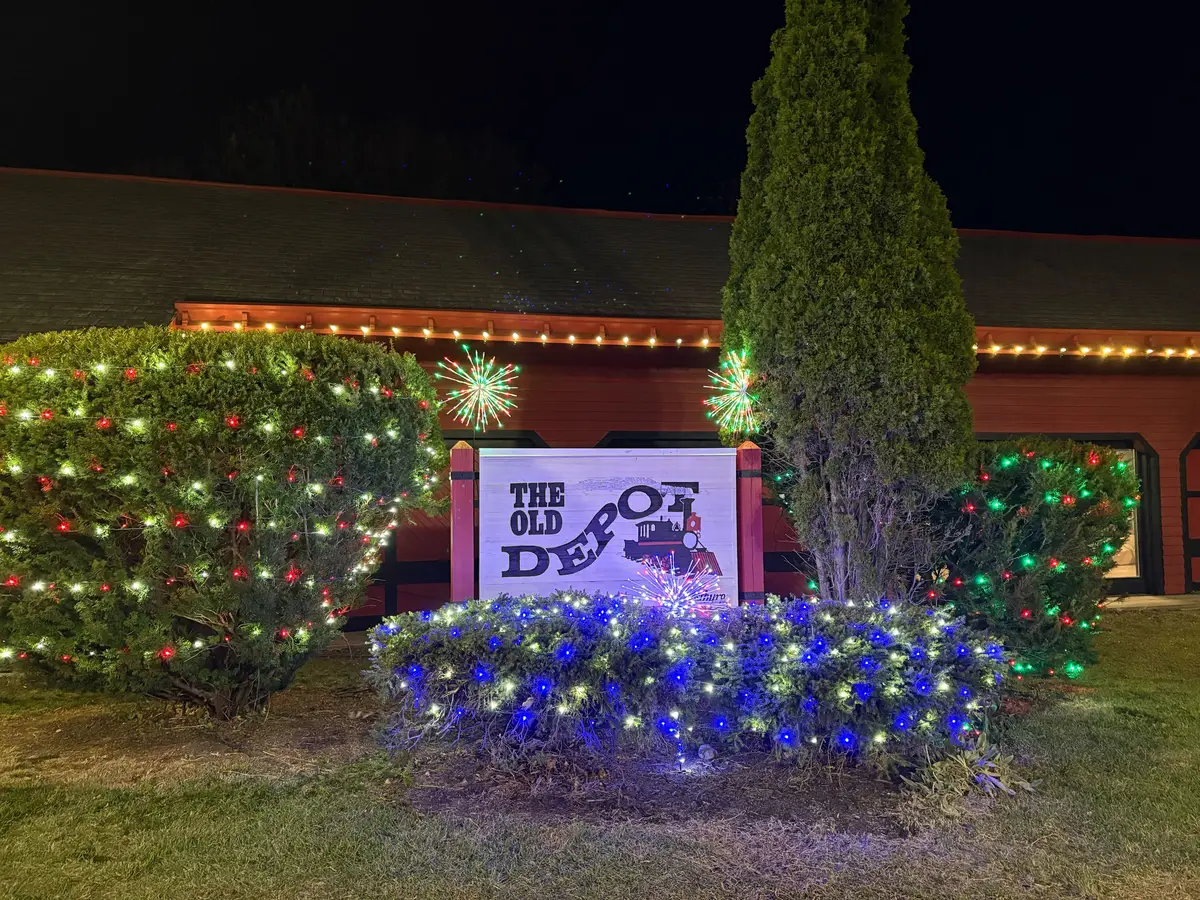
Trestles carry structural lighting that has to survive wind and vibration from passing bikes. Tunnels need light that reads from a distance without blinding a rider approaching the mouth at night. A depot sign is a different problem again, closer to a storefront.
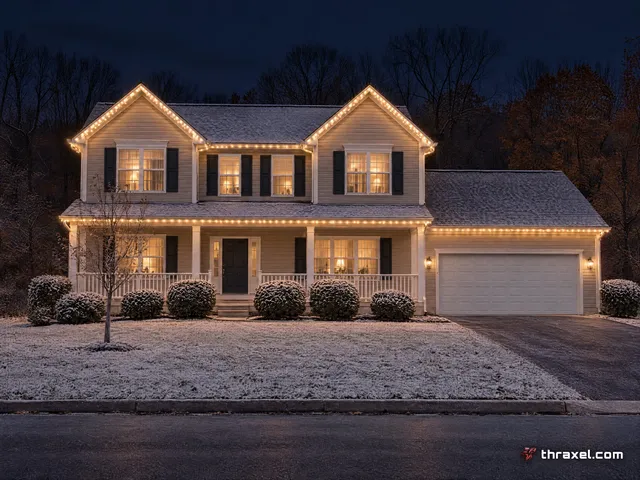
A residential quote covers one property line. A route quote covers a corridor that might cross a creek, run through a cut in a hillside, and pass a working depot all in the same half mile, which is why the design phase runs longer here than it does on a house.
Design starts with a walk of the route
The process starts the way any Thraxel project starts: a free on-site consultation, except here it is a walk of the corridor instead of a walk around a house. Structures, power access points and sightlines from a moving railbike all get mapped.
A design mock-up of the actual route comes back within 24 hours, the same turnaround Thraxel uses on a residential quote. Operators see the trestle, the depot and the tree line lit before a single fixture goes up, and can ask for changes before commissioning.
Power access is the piece that differs most from a house. A trestle in the middle of a corridor is rarely near an outlet, so the design has to account for run length and where a controller can live and stay dry.
The walk also covers where riders actually look. A railbike moves slower than a car but faster than a person standing still, so the design accounts for what reads well at that pace, not what looks best from a fixed spot on the ground.
The hardware doing the work
The system is the same one Thraxel uses on residential and commercial buildings: individually addressable RGBWW pixels producing 16 million colors plus a true 2700K warm white, in IP67 marine-grade silicone housing on 16-gauge wire, tested for salt exposure.
That spec matters more on a rail line than on most houses. A trestle over a creek, a tunnel with its own microclimate, a depot roofline exposed on all sides. The housing is built for marine use for a reason, and a rail corridor is closer to that environment than a suburban eave.
The system also supports the same named scenes used elsewhere: Everyday Warm as the default, plus Christmas, Halloween, July 4th and Game Day for whatever the operator's calendar calls for, all switched from the app rather than swapped out physically.
Where a structure allows it, color-matched track keeps the hardware tucked tight and out of the way of riders and maintenance crews, the same principle used on a residential fascia line, applied to a truss or a beam instead.
Install and commissioning
Install follows the render, with the crew working zone by zone: depot first, then track-side runs, then the trestle and tunnel work that usually needs the most coordination with the operator's own schedule.
Commissioning is the step that turns installed hardware into a working show. Every zone gets tested and mapped to a scene, warm white for a normal night, a holiday scene for December, before the crew leaves the site.
Coordination with the operator's schedule matters more here than on a house, since a railbike company is often still running daytime trips while a crew works the trestle. Install sequencing gets planned around that, not around whatever order is easiest for the crew.
Training the people who run it every night
A route does not run itself. Thraxel trains whoever staffs the ticket window or the dispatch desk to run scenes from the app, so a Tuesday night switch to warm white does not require a call to anyone.
That training is part of the standard scope alongside design, install and commissioning, not a separate add-on. See thraxel.com/blog/operator-training-for-lighting-systems/ for what the training itself covers.
Training happens on the same visit that closes out commissioning, so there is no gap between the crew leaving and the operator's own staff being able to run every scene on the controller with confidence.
What keeps it lit through a full season
A mid-season check catches anything before it becomes a refunded trip: a pixel run that needs a look, a controller that needs a reset. Takedown and storage happen between seasons the same way a residential Christmas display comes down in January, labeled and packaged for next year.
The same commercial-grade system covers venues, hotels, plazas and rail lines alike; the fuller service list for rail-tourism operators is at thraxel.com/railbike/.
For the revenue side of that decision, the trip-by-trip math behind a lit night ride is at thraxel.com/blog/railbike-night-rides-revenue-math/.
None of this scope, design through takedown, is something an operator has to reassemble from separate vendors. A single site walk sets the plan for every zone, and a single crew carries it through commissioning and training before handing the route back over.