Crew training
Training a railbike crew to run the lighting themselves
A lit corridor is only useful if the people running the ticket window can operate it without calling Thraxel. Here is what operator training actually covers.
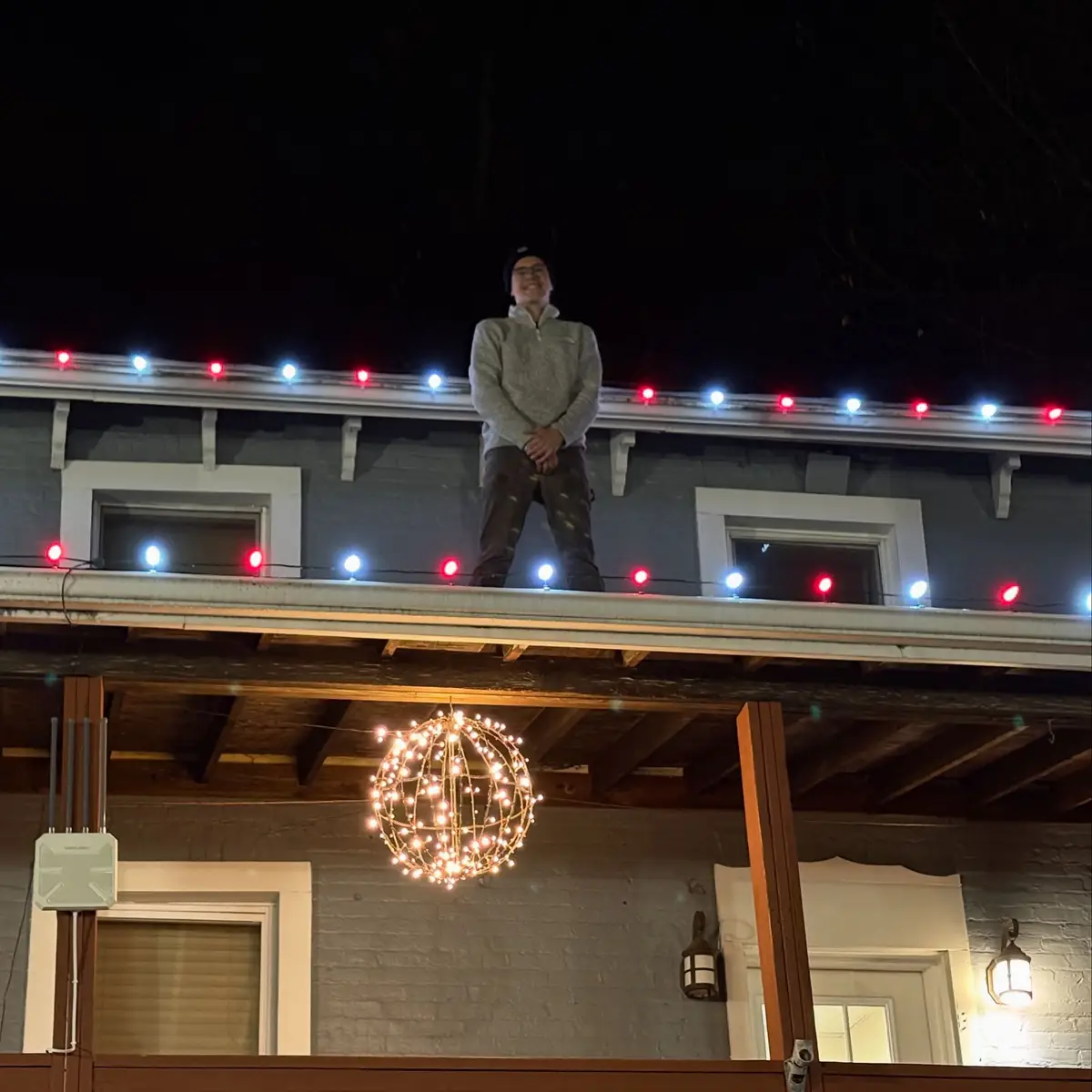
Training is part of the install, not an afterthought
Every railbike lighting project includes operator training alongside design, install and commissioning. The idea is simple: nobody at Thraxel wants to be the person an operator calls at 6 p.m. on a Friday to switch a scene.
Training happens on site, after the system is commissioned and before the crew leaves, so whoever runs the ticket window or dispatch desk that season is already comfortable with the app before the first paying trip departs.
The same standard applies whether the route is a small single-trestle build or a full corridor with a tunnel, a depot and multiple track-side zones. The scope of training scales with the install, not the other way around.
What the app actually controls
The app runs everything a staff member needs day to day: which scene is live, how bright it runs, and whether the corridor is on warm white, a holiday scene, or something in between. Because every pixel is individually addressable, zones like the trestle, the depot and the track-side runs can be adjusted separately.
Named scenes on the system include Everyday Warm, Christmas, Halloween, July 4th and Game Day, so a staff member is picking from a short list rather than building a light show from scratch.
The app also works with home and building automation platforms like Alexa, Google Home, Apple HomeKit and Control4 on properties set up to use them, though most railbike operators run everything from the phone in the ticket booth without needing that layer.
Who usually learns it
It is rarely an electrician. The person who ends up running the lighting on a given night is usually the same person selling tickets or coordinating dispatch, someone comfortable with a phone app but not necessarily comfortable with a breaker panel.
On smaller operations, one person might wear both hats, ticketing and lighting, on any given shift. On larger ones, an operator sometimes designates a specific staff member as the lighting lead, which Thraxel supports by training more than one person during the same visit.
That is by design. The controller is meant to be operated from the app, not from a physical panel, so training focuses on the software a staff member already touches every shift rather than equipment they would need special access to.
Turnover is a reality in seasonal tourism businesses. Because the system runs from an app rather than specialized equipment, bringing a new hire up to speed the following season is a short conversation, not a retraining project.
What training covers, hands-on
Switching between scenes is the first thing covered, since it is the most common task: warm white on a Tuesday, a holiday scene the week of an event. Staff also learn how to schedule a scene change ahead of time rather than doing it live as riders board.
Basic troubleshooting is part of it too, mainly a controller reset and knowing what a normal-looking system looks like versus one that needs a call to Thraxel. It is not meant to replace an electrician, just to cover the everyday questions.
Staff also walk the route once with the system live, seeing each zone from a rider's perspective rather than only from the app's zone list. That walk-through is often what makes the training stick, since it connects a setting on a screen to something staff can actually picture on the track.
What training does not cover
Staff are not trained to replace hardware. If a pixel run needs actual repair, that is a service call, not something covered in the operator session, and it is one of the things a mid-season check is meant to catch before it becomes urgent.
Staff are also not expected to design new scenes from scratch. Anything beyond the standard named scenes, a custom event look or a sponsor's colors, gets built by Thraxel during the design phase and handed over already configured, ready to select from the app.
The line is intentional. Training builds confidence running the system day to day; it is not meant to turn ticket staff into installers, which protects both the warranty and the crew.
It also protects the 3-year parts warranty and 1-year labor warranty that come with the system. Warranty coverage assumes the hardware itself was not opened or altered by anyone outside Thraxel, which is exactly the line training is drawn around.
Confidence before opening night
Commissioning and training happen back to back, so the last thing the crew does with Thraxel on site is run through every scene themselves before the install team leaves. That is the point where an operator's team, not Thraxel, is running the show.
A mid-season check later in the season is the backstop for anything training could not anticipate. Between the two, an operator's staff are rarely on their own without support. See thraxel.com/blog/railbike-lighting-season-timeline/ for where training and the mid-season check land on the calendar.
The goal is a staff member who can run a full night of scene changes without thinking twice, whether that is a routine Tuesday on Everyday Warm or a sponsor event that calls for a scene nobody has used before that week.