Marketing assets
Turning a lit railbike route into marketing content
A lit trestle is a photo before it is a ride. Here is how the photos and video from a railbike lighting install become the marketing an operator actually uses.
Content is part of the build, not an upsell
Marketing photos and 4K video of the finished install are part of the standard railbike lighting scope, alongside design, install, commissioning, operator training, a mid-season check, and takedown and storage. Operators are not left to find their own photographer once the lights go up.
For an operator running a marketing calendar around one attraction, that content becomes the backbone of a season's worth of posts rather than a one-time asset used once and forgotten.
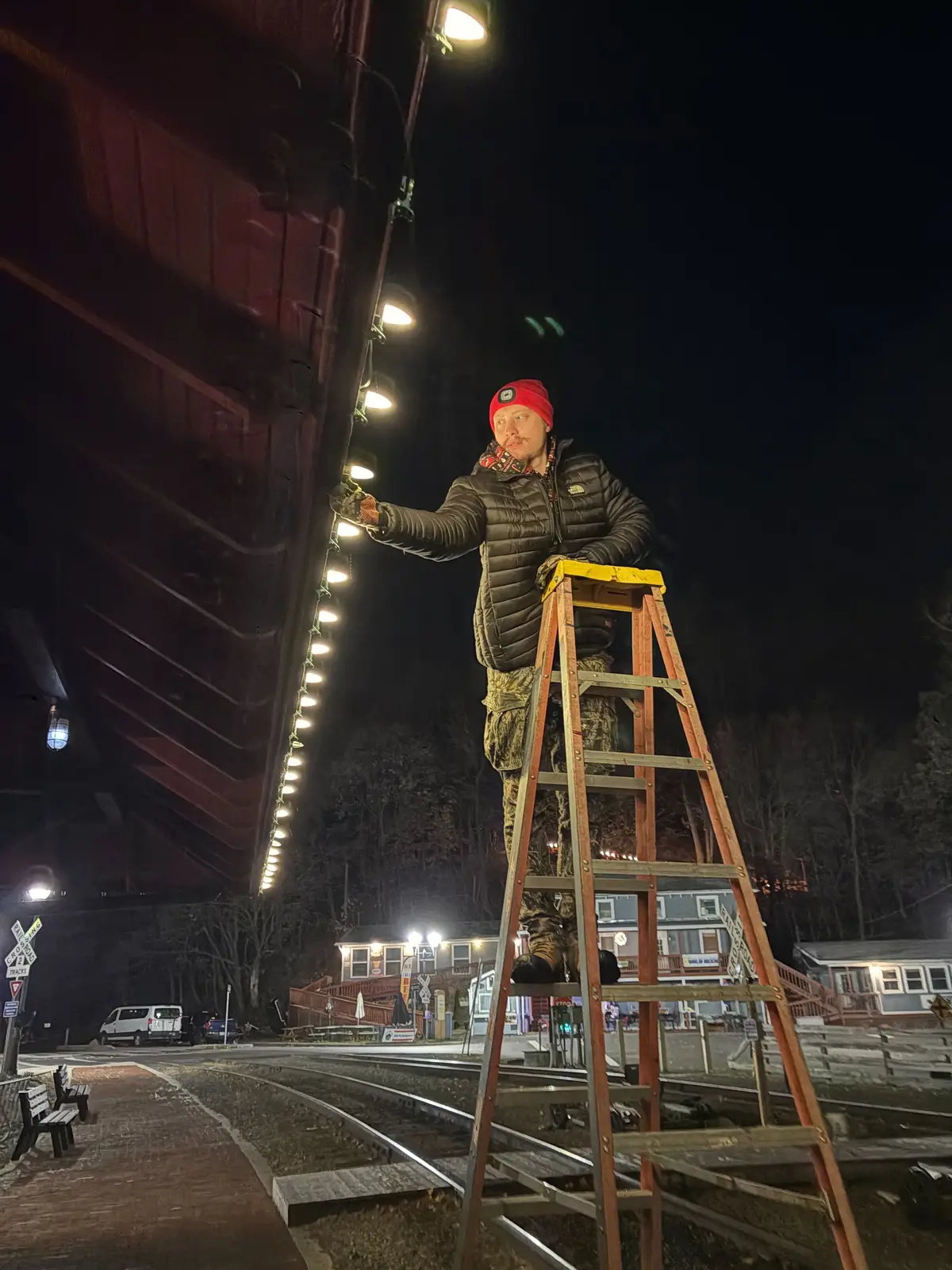
The reasoning is straightforward: Thraxel's crew is already on site at night with the system fully commissioned, which is the exact window when the corridor looks its best and is hardest for anyone else to capture.
It also removes a step operators would otherwise have to chase down on their own, sourcing a photographer, coordinating a night visit, hoping the weather cooperates on the one evening someone is available. Folding it into the install means it happens without any extra scheduling.
What gets shot, and when
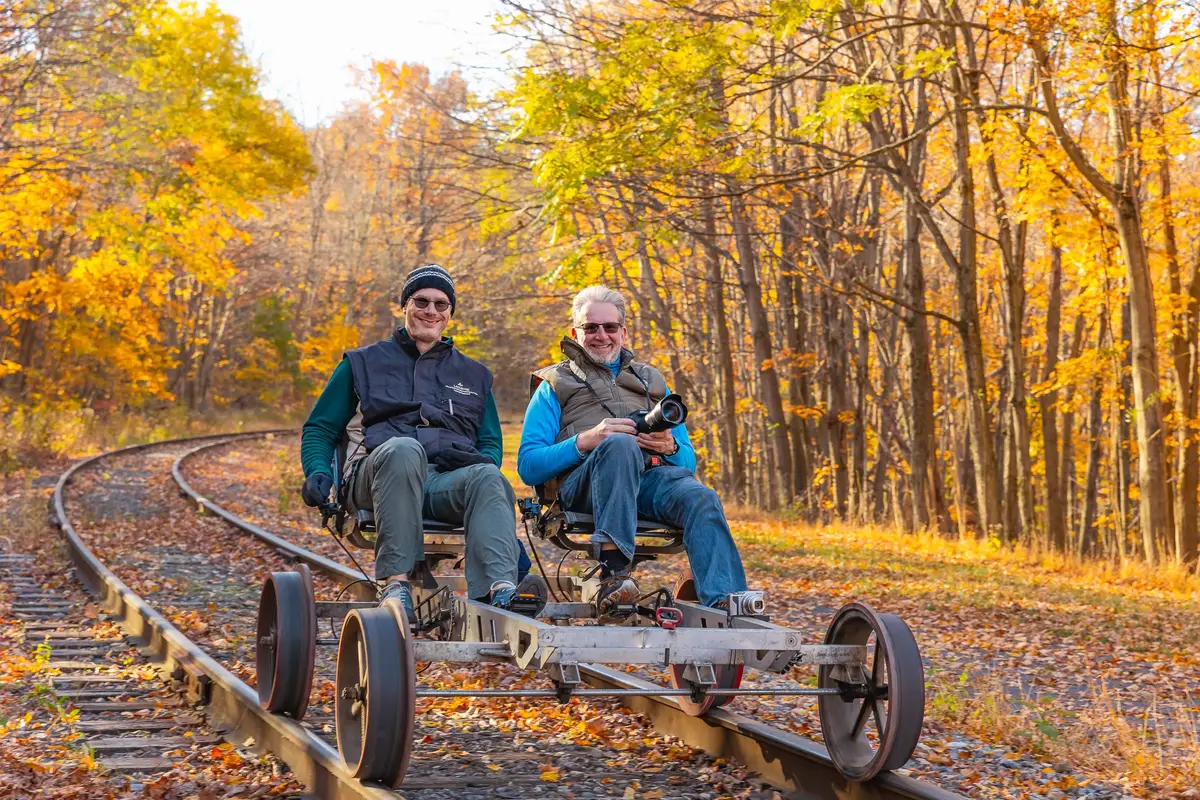
Shooting happens after commissioning, once every scene is confirmed working across every zone, so the footage shows the finished route rather than a partial install. That usually means the trestle, the depot, and a track-side run or two, whichever combination reads best from a fixed camera and from a moving railbike.
Both photos and 4K video get captured, since a still image works for a flyer or a website hero and video works for social in a way a photo cannot.
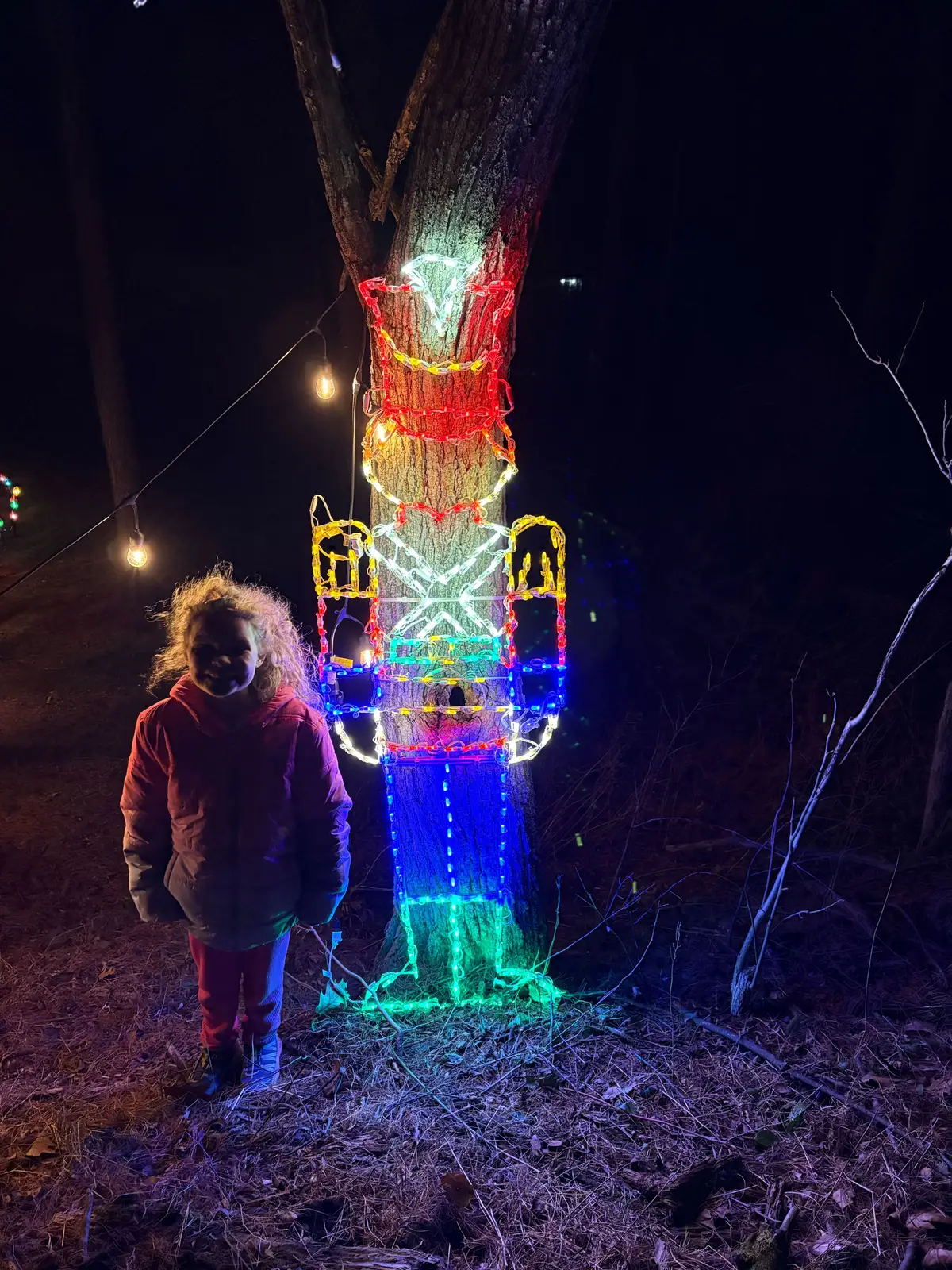
If the install includes wireframe figures or a Christmas scene, that gets captured too, since the Christmas scene is often the version of the route an operator most wants circulating before the season it is built for.
Why this is hard to get any other way
Shooting a lit trestle or tunnel at night takes equipment and low-light experience most railbike operators do not have on staff, and a phone photo of a dark corridor rarely captures what the lighting actually looks like in person.
Color accuracy is the specific problem a phone camera struggles with most. A trestle running a true 2700K warm white or a deep RGBWW red can look washed out or shifted on a standard phone sensor at night, which is part of why dedicated equipment matters here.
Because the crew that designed and installed the system is doing the shoot, they already know which zones read best on camera and which angles flatter a trestle versus a straightaway, rather than a photographer guessing at it cold.
A route with a tunnel adds another layer of difficulty most photographers are not set up for: the transition from open air to enclosed darkness in a single shot, which needs different exposure handling than either environment alone.
Where this content actually gets used
Operators use this footage on their own websites, on social accounts, and in whatever flyers or local advertising they run heading into the season. It is theirs to use, not licensed content tied back to Thraxel.
A tourism board or a local chamber of commerce partnering with an operator on a promotion is another common use, since a lit trestle photo travels well beyond an operator's own channels once it exists.
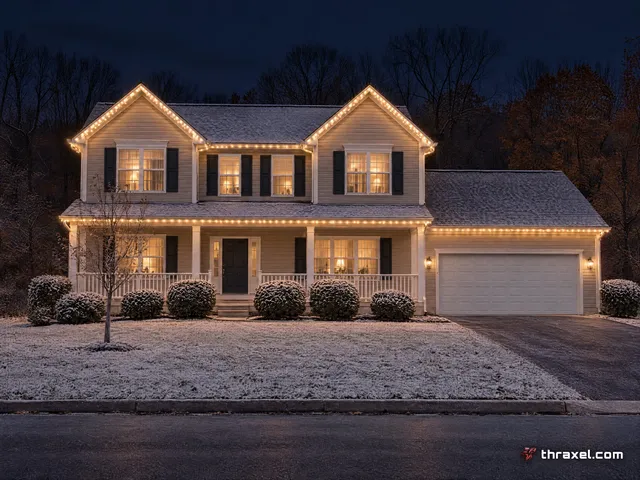
A single strong trestle shot tends to do the most work, the kind of image that becomes the homepage hero and the one people share when they are telling friends about the ride.
Video does different work than a still. A 15-second clip of a railbike gliding past a lit depot communicates the pace and feel of the ride in a way a photo cannot, which is why both formats get captured rather than just one.
The lead time a good photo buys
Content shot during a fall install gives an operator a season of lead time before the nights it actually promotes. A trestle photographed in October is already circulating on social media weeks before the first December departure.
That gap between when the photo exists and when the event happens is where an operator's own marketing team does its work, teasers, countdown posts, a homepage refresh, all built around footage that was ready weeks earlier than it otherwise would have been.
That lead time is part of why booking early in the January-through-June window matters beyond just the install itself. Marketing needs the finished photo well before the event it is selling.
The same logic applies outside the holidays. Content shot around a summer or spring install gives an operator lead time for a July 4th push or a fall Halloween promotion, not just the December calendar most people think of first.
Getting your route photographed
This is built into the same railbike package as the rest of the lighting work, so there is no separate step to request it. It happens as part of the same on-site visit that handles design, install and commissioning.
AJ can walk through what a shoot for your specific route would look like at 240-730-4064, alongside the rest of the railbike scope described at thraxel.com/railbike/.
thraxel.com/blog/railbike-lighting-season-timeline/ lays out where the shoot lands relative to install, commissioning and the rest of the season, if you are mapping the whole calendar before the first call.