Staying ahead of it
What an annual preventive maintenance visit actually checks
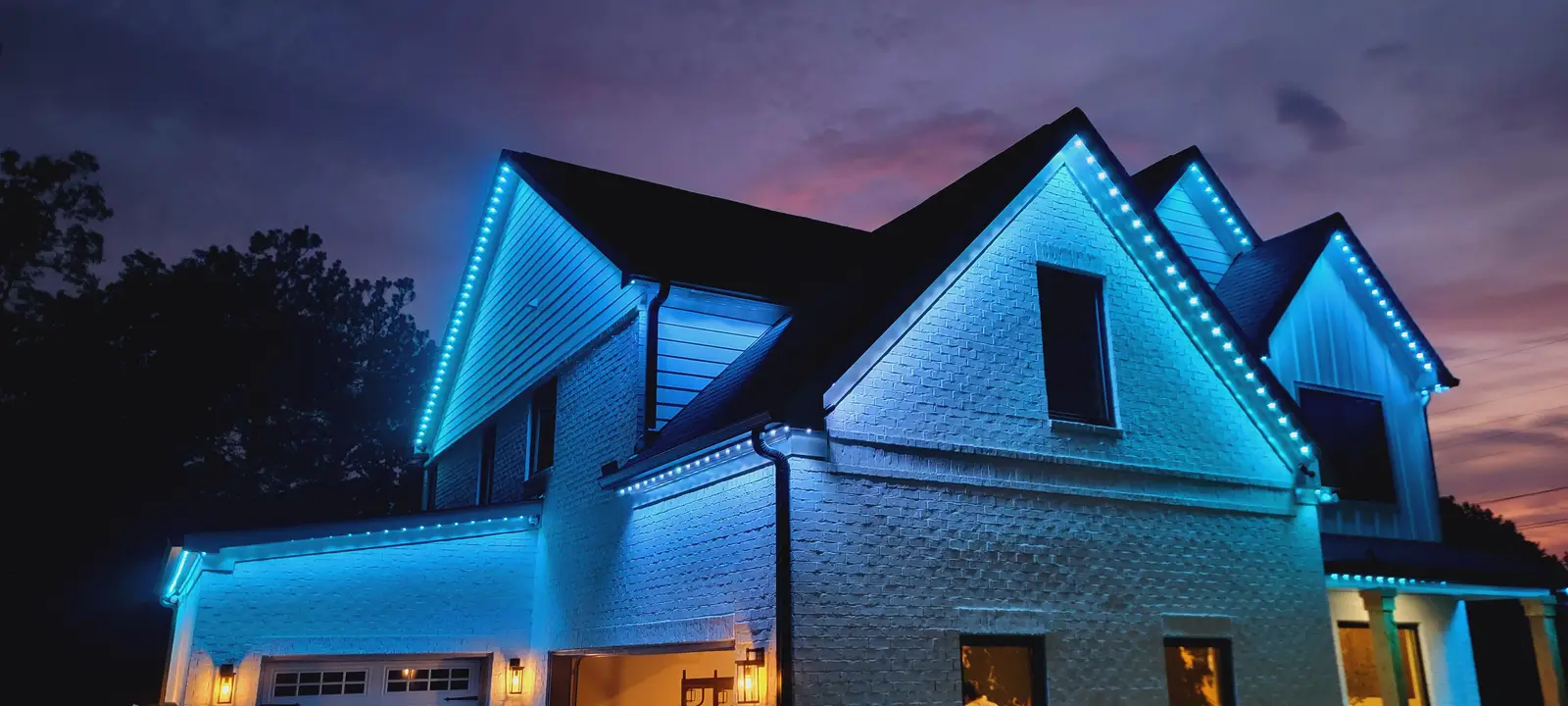
A permanent or landscape lighting system does not need much upkeep, but the upkeep it does need is easiest to handle once a year, before a season starts rather than after something fails.

Why a system built to last still gets checked
IP67 marine-grade housing, 16-gauge wire and individually addressable pixels are built to hold up outdoors with minimal attention, and most homeowners genuinely do not touch their system between install and an eventual issue years later. A preventive visit is not about a fragile product, it is about catching the small things before they become a bigger fix.
A loose connection at a track joint, a fixture that has shifted after a hard freeze-thaw cycle, or a pixel starting to dim before it fully fails are all things a trained eye catches faster during a dedicated visit than a homeowner catches from the ground.
None of this suggests the system is fragile. It is closer to how a homeowner might have a furnace checked once a year, not because it is likely to fail, but because a short visit now avoids a bigger problem showing up later at an inconvenient time.
What gets checked
A maintenance visit covers pixel-by-pixel function across every zone, physical mounting of track and fixtures, wiring connections at joints and transitions, and controller function including app connectivity.
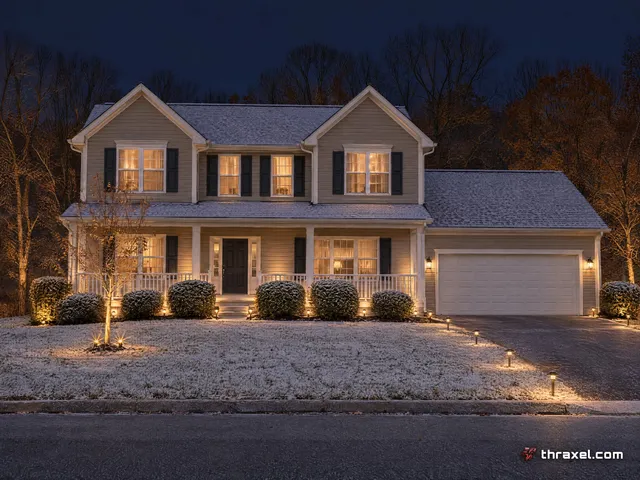
On landscape zones specifically, fixture aim and placement get checked too, since trees and shrubs grow and shift a fixture's angle over a year in ways that change how a wash of light hits its target. See thraxel.com/blog/landscape-light-fixture-maintenance/ and thraxel.com/landscape/ for more on that side of upkeep.
- Pixel-by-pixel function check across every zone
- Track and fixture mounting
- Wiring connections at joints
- Controller and app connectivity
- Fixture aim on landscape zones
When to schedule it
Late summer or early fall, ahead of the Christmas and holiday scene season, is a natural window for a permanent lighting checkup, since it catches anything before the system gets asked to run its heaviest schedule of the year.
Landscape lighting maintenance often pairs with spring, after a Western PA winter of freeze-thaw cycles has had its chance to shift fixtures or loosen a connection buried the previous fall. Either window works, and the important part is picking one and sticking with it rather than letting years pass between visits.
What a maintenance plan includes
Service plans bundle a scheduled visit with priority response for anything found between visits, rather than leaving a homeowner to notice an issue and call it in cold. This is separate from the parts and labor warranty, which covers hardware failure rather than routine upkeep.
A maintenance plan is optional, not required to keep the warranty valid. It exists for homeowners who would rather have someone else keep an eye on the system than notice a dimming zone themselves.
Commercial properties tend to lean into these plans more than residential customers, since a venue or restaurant has less tolerance for a slow, gradual decline in a zone going unnoticed until a customer or guest points it out first.
What happens if something is found
An issue caught during a preventive visit that turns out to be a covered parts failure is handled under the standard warranty process. An issue from an outside cause, like a section that has come loose after landscaping work nearby, gets addressed as a straightforward repair.
Either way, the goal of the visit is to fix something small on a scheduled visit rather than let it turn into a dark section of roofline showing up on a night when the family has company over. Ask about setting up a maintenance visit at thraxel.com/quote/ or by texting Thraxel at 724-859-4390.