Step by step
Getting your HOA to say yes to exterior lighting
Boards approve packets, not ideas. Give an architectural committee a photo-accurate render, a spec sheet and a one-paragraph description of how the track attaches, and most of them vote yes at the next meeting. Here is the exact sequence we walk homeowners through.
Step one: find out who decides
Some associations route every exterior request through an architectural review committee. Others let a management company screen applications and only send the odd ones to the board. A few small plans in Butler and Armstrong County decide by email among three volunteers. Find out which model yours uses before you write anything, because the audience changes what you send.
The management company's website or your welcome binder will list the process. If it does not, call the office and ask two questions: what form covers exterior lighting, and when does the committee next meet. Those answers set your whole timeline.
While you are on the phone, ask if anyone else in the plan has installed roofline lighting. A prior approval is the strongest precedent you can cite, and property managers usually remember them.
Step two: build the packet
A complete application removes the reason to table it. Committees postpone requests when they cannot picture the result or cannot tell how something attaches to the house. Solve both problems before they are asked.
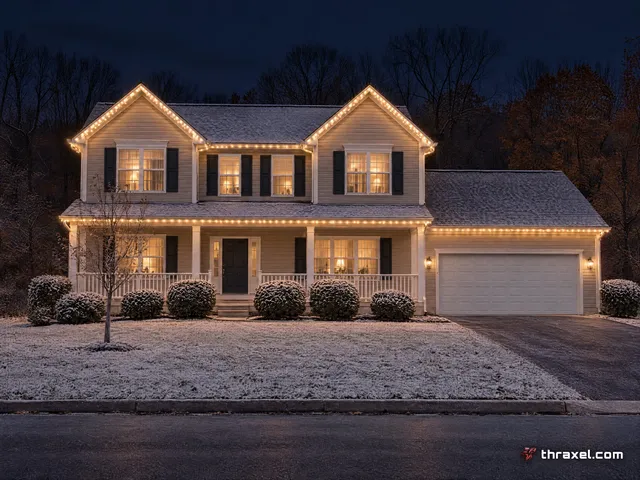
The render we produce after the free consultation is built from photos of your home, not a template, and it lands in your inbox within two days. Put it on page one. Behind it, add the spec sheet for the RGBWW pixels and the IP67 silicone housing, the certification list (UL, ETL and CUL), and a short paragraph on the track. We will write that paragraph for you. More on the render at thraxel.com/blog/the-48-hour-render-mockup-explained/.
- The association's exterior modification form, filled out completely
- The Thraxel render of your house with track in place
- Product spec sheet and certification list
- A fastening note: aluminum channel, color-matched, secured to fascia or trim, no roofing penetrations
- A usage statement: hours, default scene, brightness cap if the covenants mention glare
Step three: describe it the way the covenants think
Words matter on these forms. Calling the system Christmas lights invites every seasonal-display clause in the book. Calling it an exterior alteration or architectural lighting puts it where it belongs, next to gutter guards and porch fixtures, which most boards approve routinely.
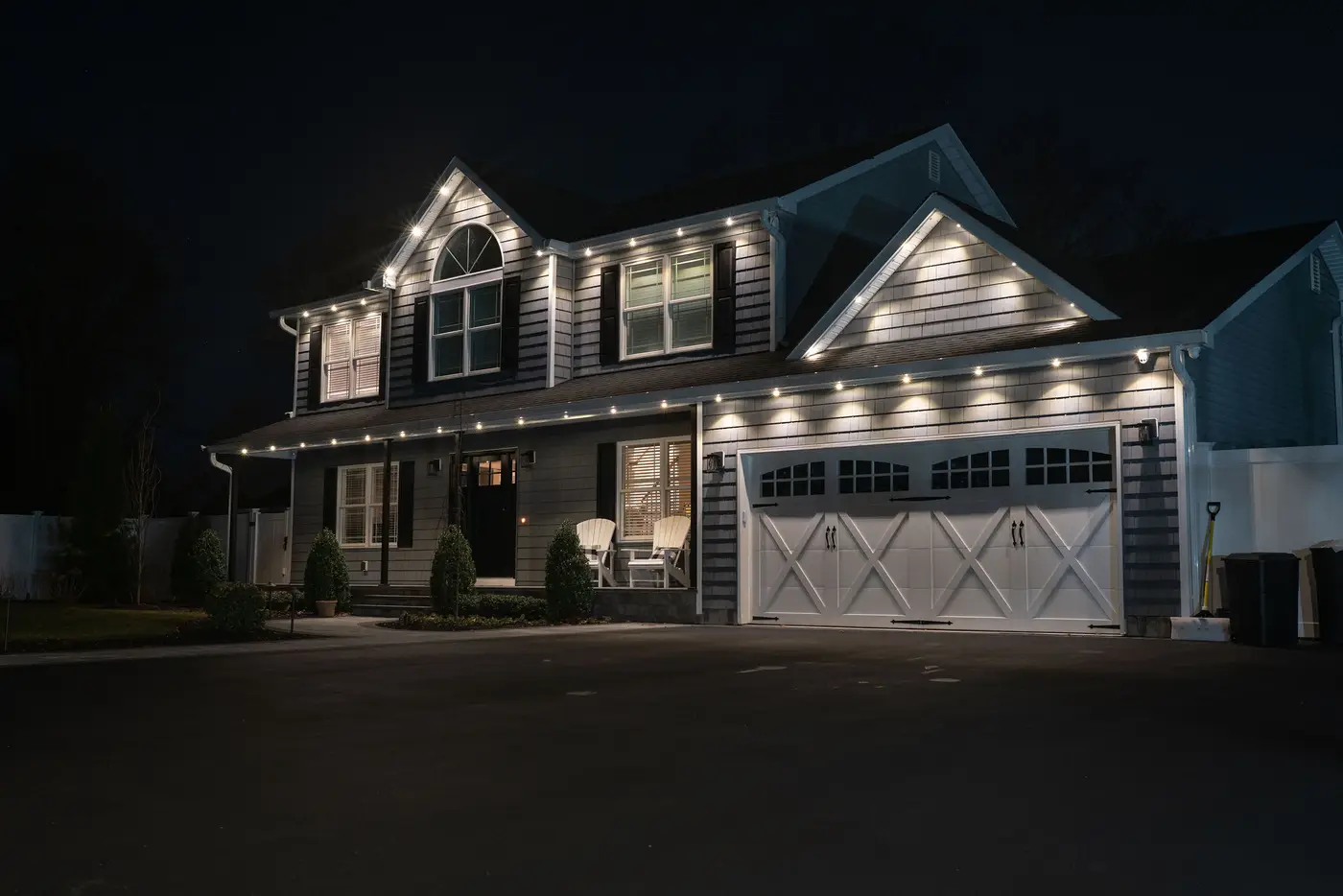
Lead with the daytime fact. The channel is finished to match your trim and sits flush under the eave, so the house looks unchanged in daylight. Then state the nighttime plan in plain terms: a warm white roofline most evenings, holiday colors on the holidays, off by whatever hour the covenants specify. Boards approve what they can predict.
If your covenants have an approved exterior color list, add one line noting the track finish matches the existing trim color already on the house. That closes the color question before it opens.
Step four: mind the calendar
Committees in Upper St. Clair, Mars and the rest of the North and South Hills mostly meet once a month, and some skip December. A request filed in early September clears in time for an October install and a lit house by Thanksgiving. A request filed in November may not be heard until the new year.
Book the consultation first, then file, since the render is the centerpiece of the packet and you cannot file without it. We can be on site within days across every 16xxx ZIP, and the Pittsburgh suburbs are on the route several times a week.
Once approved, most installs take one to two days. Keep the approval letter with your closing documents. If you ever sell, the next owner inherits both the system and the paper trail. See thraxel.com/areas/upper-st-clair/ for local scheduling.
Step five: handle a conditional approval
Some boards approve with conditions: lights off by 10 p.m., no flashing patterns, warm white only outside a defined holiday window. Every one of those is a setting in the Thraxel Lighting app, not a hardware change. Accept the conditions, configure the schedule during the final walkthrough, and you are done.
A flat denial is rare. In every association we have installed in, the answer has eventually been yes. When a board hesitates, it is almost always because the packet was thin or the request used the wrong vocabulary, and a resubmission with the render and the fastening note has solved it.
If a denial does come with a reason you can address, address it and refile. If it comes with no reason, ask for the covenant section being cited. Boards must point to a rule, and many will reconsider when the rule does not actually cover what you proposed.
What we do for you
We are not attorneys and we do not argue with boards. What we do is hand you everything a committee needs to say yes: the render, the specs, the attachment language and a recommended usage statement based on what has worked in similar plans. The consult and the render cost nothing, and there is no obligation while you wait on a vote.
Details on the track finish and why it vanishes in daylight are at thraxel.com/blog/what-is-color-matched-track/. To get the packet started, request a consultation at thraxel.com/quote/ and mention your HOA in the notes so we bring the right paperwork to the driveway.