Straight answer
Do you install lights in the winter?
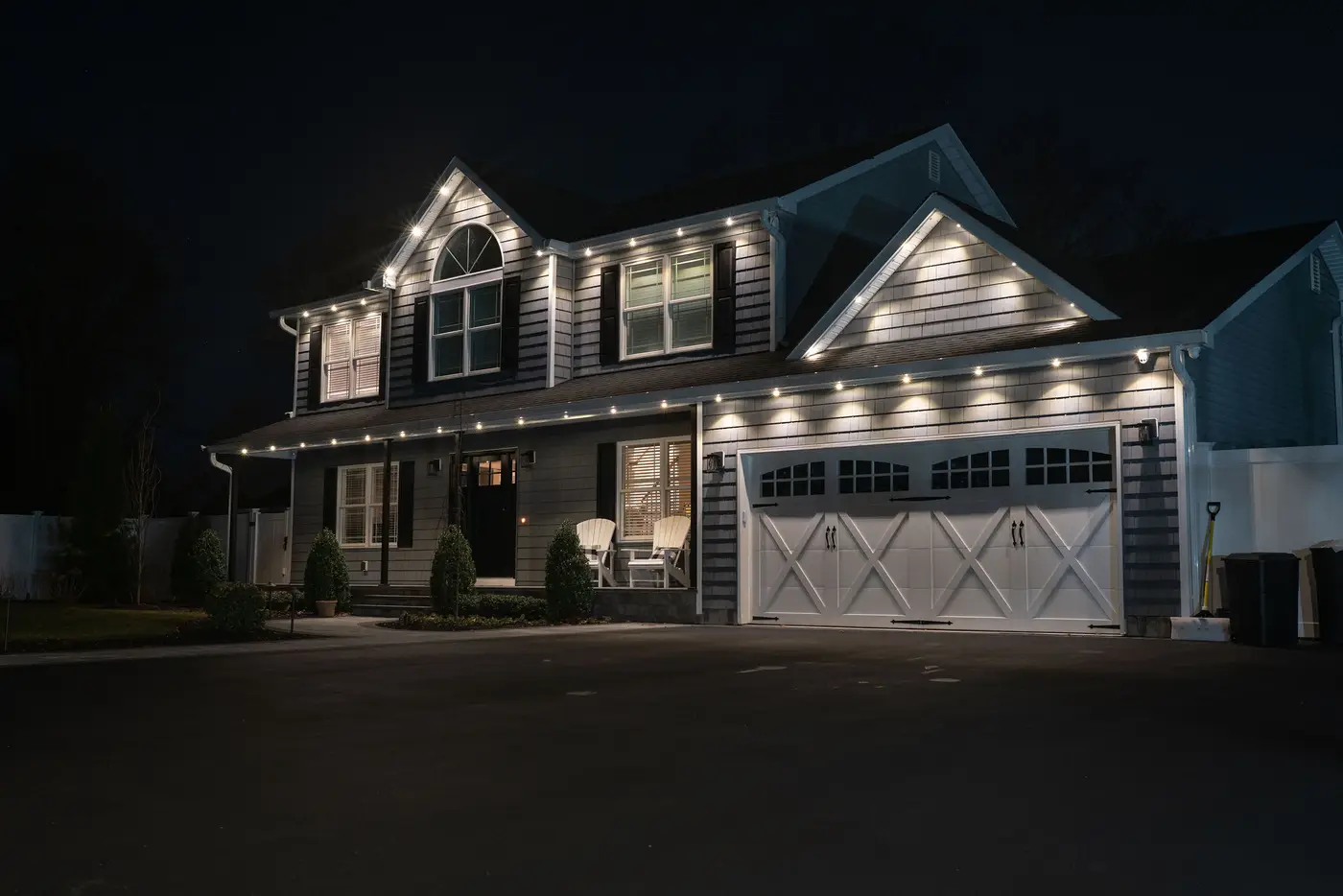
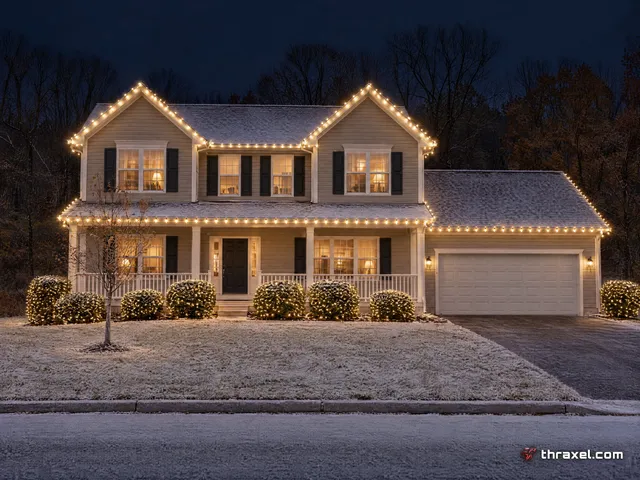
Permanent lighting installs keep going through the colder months when conditions allow, since the crew is mounting track and wiring pixels, not planting or pouring concrete. Seasonal Christmas lighting is scheduled within the November install window, weather permitting either way.

Two different products, two different clocks
Permanent lighting is a year-round installation, and crews work it through fall and into winter as long as conditions on a given day are safe for the job, mainly ladder and roof-edge work in wind, ice or heavy snow.
Seasonal Christmas lighting is scheduled specifically to be up before the holidays, so it runs on a tighter November calendar. The good November weekends book first, which is why Thraxel encourages homeowners to reach out early rather than waiting until December.
Landscape lighting for pools, patios and firepits sits closer to the permanent product's timeline than the seasonal one, since it is also a mounted install rather than a temporary display, though most homeowners still prefer scheduling that work for spring or summer when the ground itself is workable.
What weather permits actually means
Weather permits is not a soft excuse, it is a safety standard. Ladder and roofline work in ice, high wind or heavy active snowfall is genuinely dangerous, and Thraxel will not put a crew on a roof edge in those conditions regardless of the calendar.
A cold, dry, calm day in December or January is workable for a permanent install. An icy roofline in any month is not, whether it is October or February. The determining factor is the specific day's conditions, not the season on the calendar.
Crews wear proper PPE year-round, but winter conditions raise the bar on what counts as a workable day. That is a safety call made on-site, not a scheduling inconvenience, and it protects both the crew and the quality of the install.
Why permanent lighting can run later in the year
Because permanent lighting mounts to fascia and trim rather than draping loose strands, it is a more controlled install than seasonal hanging, and it does not depend on greenery, wreaths or anything weather-sensitive beyond the crew's own safety.
That flexibility is one reason homeowners deciding late in the season between seasonal and permanent sometimes lean permanent: a seasonal install has to land inside the November window to be up for the holidays, while permanent can be scheduled further into winter when the calendar allows.
- Permanent installs: continue in cold months when conditions permit
- Seasonal installs: scheduled within the November window
- Both: paused on days with ice, high wind or active heavy snow
What in-season maintenance looks like once winter hits
For seasonal customers, once the display is up, any problem, a bulb out, a chewed wire, gets fixed within 24 to 48 hours at no charge through the rest of the season, regardless of weather, since repairs are typically smaller and faster than a full install.
Takedowns for seasonal lighting start January 4 and continue as weather permits, with everything labeled, packaged and stored for next year. Permanent systems need no seasonal takedown at all, since they are built to stay up and running through winter.
How to plan around the weather instead of against it
The best move for either product is booking early. A free on-site consultation gets your property on the schedule and your design confirmed before the tightest weather windows of the season arrive.
Request a quote at thraxel.com/quote/ or text Thraxel directly to talk through timing for your specific project, whether that is a permanent install this winter or a seasonal display for this coming holiday.