For property owners
Commercial lighting service plans: what they cover and who needs one
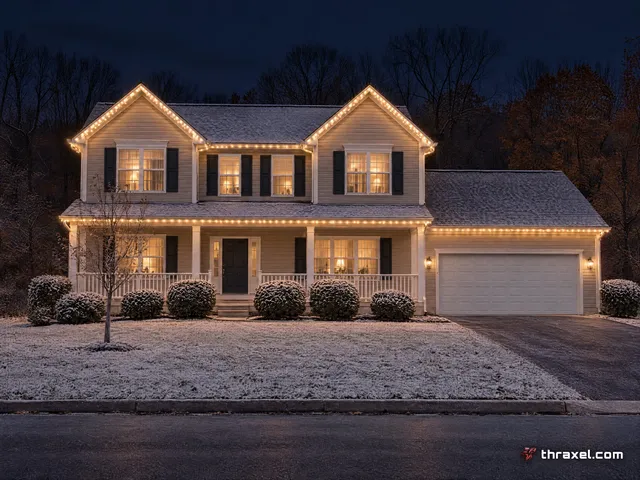
A homeowner notices a dark section of roofline from the driveway. A business owner might not notice at all until a customer mentions it. Commercial service plans exist for that gap, scheduled maintenance instead of waiting for someone to flag a problem.

Why commercial properties need a different maintenance model
A homeowner walks past their own lit roofline daily and tends to catch a failed section quickly. A restaurant, hotel or retail plaza owner is often inside managing the business, not standing across the street checking the exterior after dark.
That gap is exactly what a service plan is built to close, scheduled checks instead of relying on staff or customers to report an issue before it gets addressed.
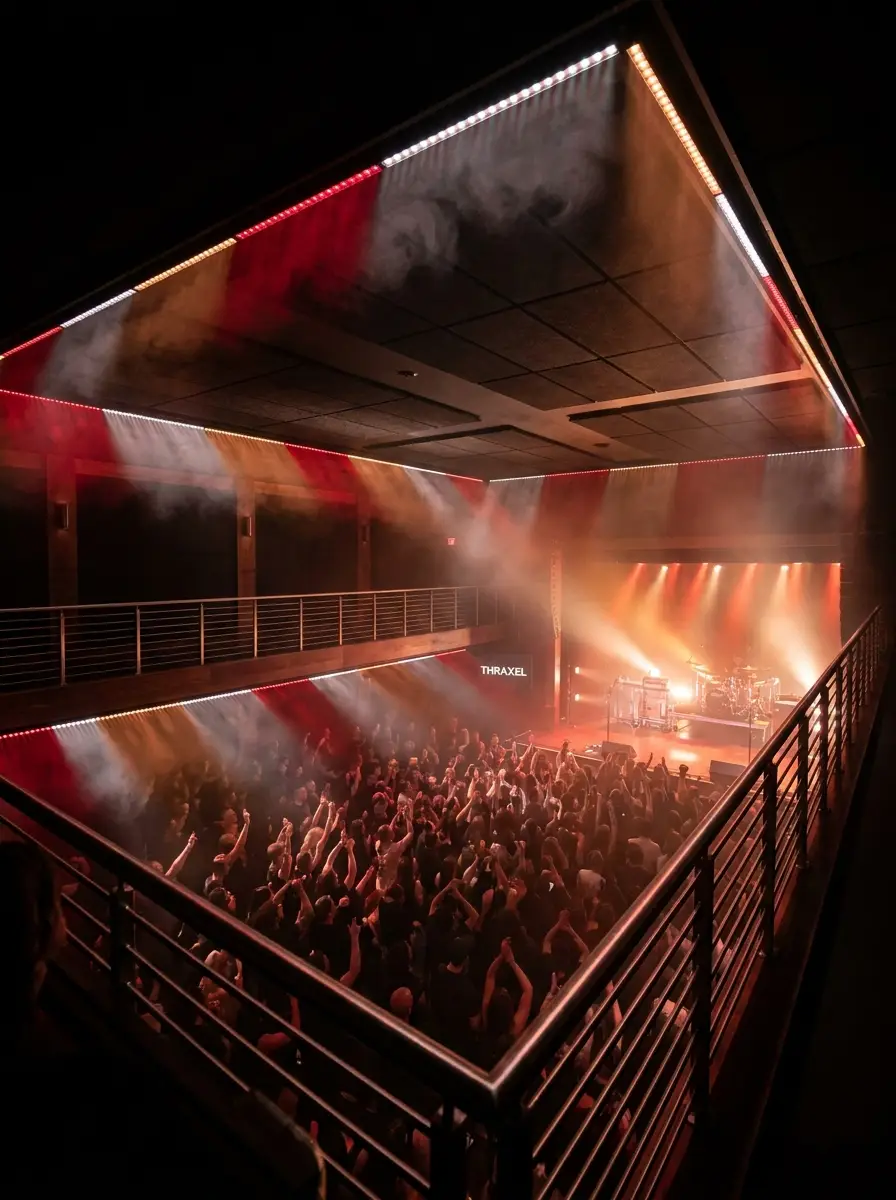
A property with dozens of zones lit every night has more surface area for something to go wrong than a single home roofline, simply because there is more track, more pixels and more nightly runtime across the building.
What a typical plan covers
Periodic inspection of the system across every zone, roofline, facade, signage, landscape, catching individual pixel failures before they accumulate into a visibly dark section. Because each pixel is individually addressable, a failed one is diagnosed on its own rather than requiring a full section replacement.
Annual preventive maintenance is available on the landscape lighting side as well, covering fixtures exposed to more physical wear, mowing, weather, foot traffic, than roofline-mounted track.
Because the system is app-controlled, a technician can often confirm a zone's status remotely before a truck is even dispatched, narrowing down whether an issue is a single pixel, a connector or something upstream in the controller before the visit begins.
- Scheduled inspection across roofline, facade, signage and landscape zones
- Individual pixel diagnosis, with replacements typically completed same-day
- Annual preventive maintenance available for landscape fixtures
Who benefits most from a service plan
Restaurants, hotels, retail plazas and HOA-managed communities with lighting visible to the public every night tend to get the most value, since any downtime is seen by customers or residents daily, not occasionally.
A single office building with lower foot traffic or a property with an internal facilities team already doing regular walk-throughs may not need the same cadence, and a plan can be scoped down accordingly. A dealership lot or a hotel entrance, by contrast, is judged nightly by strangers, which raises the cost of a dark section left unaddressed for even a few days.
A retail plaza running seasonal scenes throughout the year, warm white most months, then a holiday or team-color scene layered in, benefits from a plan simply because more scene changes create more opportunities to notice something out of place during a routine check rather than after a customer flags it.
How this differs from the standard warranty
The standard warranty, three years on parts and one year on labor, covers defects and workmanship. A service plan is a separate, ongoing arrangement for scheduled checks and proactive upkeep, not a replacement for the warranty but an addition to it for properties that want fewer surprises.
Both apply regardless of whether the property is under a service plan, so a plan is about catching issues early, not extending coverage that already exists.
Components carrying UL, ETL and CUL certification and a 3-year parts, 1-year labor warranty are the baseline protection on every install, service plan or not. A plan adds the human step, someone actually looking at the property on a schedule, rather than waiting for the warranty to be invoked after a failure is already visible.
Setting up a plan for your property
Service plans are scoped during the same free consultation used for any commercial install, based on property size, visibility and how the business uses the exterior. Call or text Thraxel at 724-859-4390, or AJ at 240-730-4064 for larger commercial accounts.
Financing options exist for the initial install itself, 0% APR for up to 24 months for qualifying buyers, though a service plan is typically billed as its own ongoing arrangement separate from that upfront financing.