The term, defined
White glove is not a marketing word here. It is four specific phases.
White-glove Christmas lighting means you touch the process exactly twice, once at the consultation and once at the final walkthrough, and everything in between, including problems, is handled without you.

What the phrase actually describes
White glove gets used loosely in a lot of service industries. In seasonal Christmas lighting, it describes a specific four-part structure: design, installation, in-season maintenance and takedown, all run as one continuous service rather than four things you have to arrange separately.
The test of whether a service is genuinely white glove is what happens when something goes wrong mid-season. A company that disappears after install day is not offering it, no matter what the invoice says.
It is also a useful phrase for comparison shopping. Asking a provider directly whether in-season repairs and takedown are included, or priced separately, is one of the fastest ways to tell a full-service company from one that only installs.
The phrase gets its meaning from what it removes from your plate, not from any single fancy touch. A costumed crew or a nice invoice does not make a service white glove on its own if the follow-through after install day is missing.
A useful way to think about it is end to end ownership. One provider is accountable for the display looking right from the first November evening it goes on through the last night before it comes down in January.
That accountability is really the whole point. A homeowner never has to figure out who to call, since the same relationship covers the entire season rather than splitting across separate vendors for design, install and repair.
Phase one: design
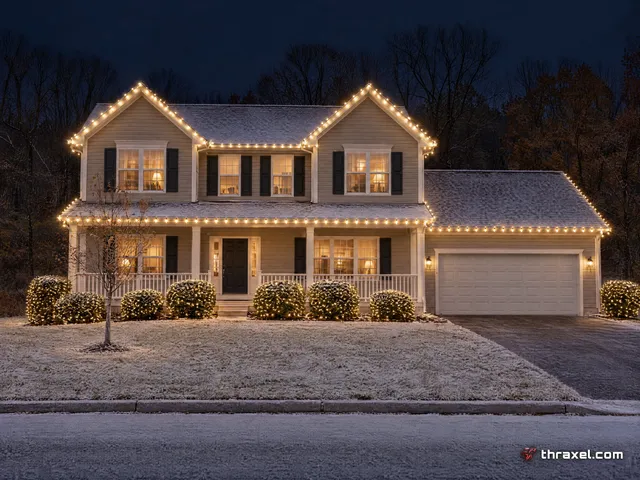
It starts with a free on-site visit, followed by a design mock-up of your actual house within 24 hours. Nothing gets ordered or scheduled until that design is approved, which keeps surprises out of the install itself.
This phase is where preferences like warm white versus multicolor, porch detail, and which trees to wrap all get decided, ideally with enough runway before the November install window opens.
Nothing is ordered on your behalf before you have seen and approved the design. That sequencing, seeing it before it exists on your house, is one of the clearest markers of a white-glove process versus a straightforward hang-and-go install.
It is also the phase most people underestimate going in, assuming design means picking a color from a list. In practice it is closer to a short collaboration, walking the property and adjusting a plan until it actually matches what you pictured.
Phase two: installation
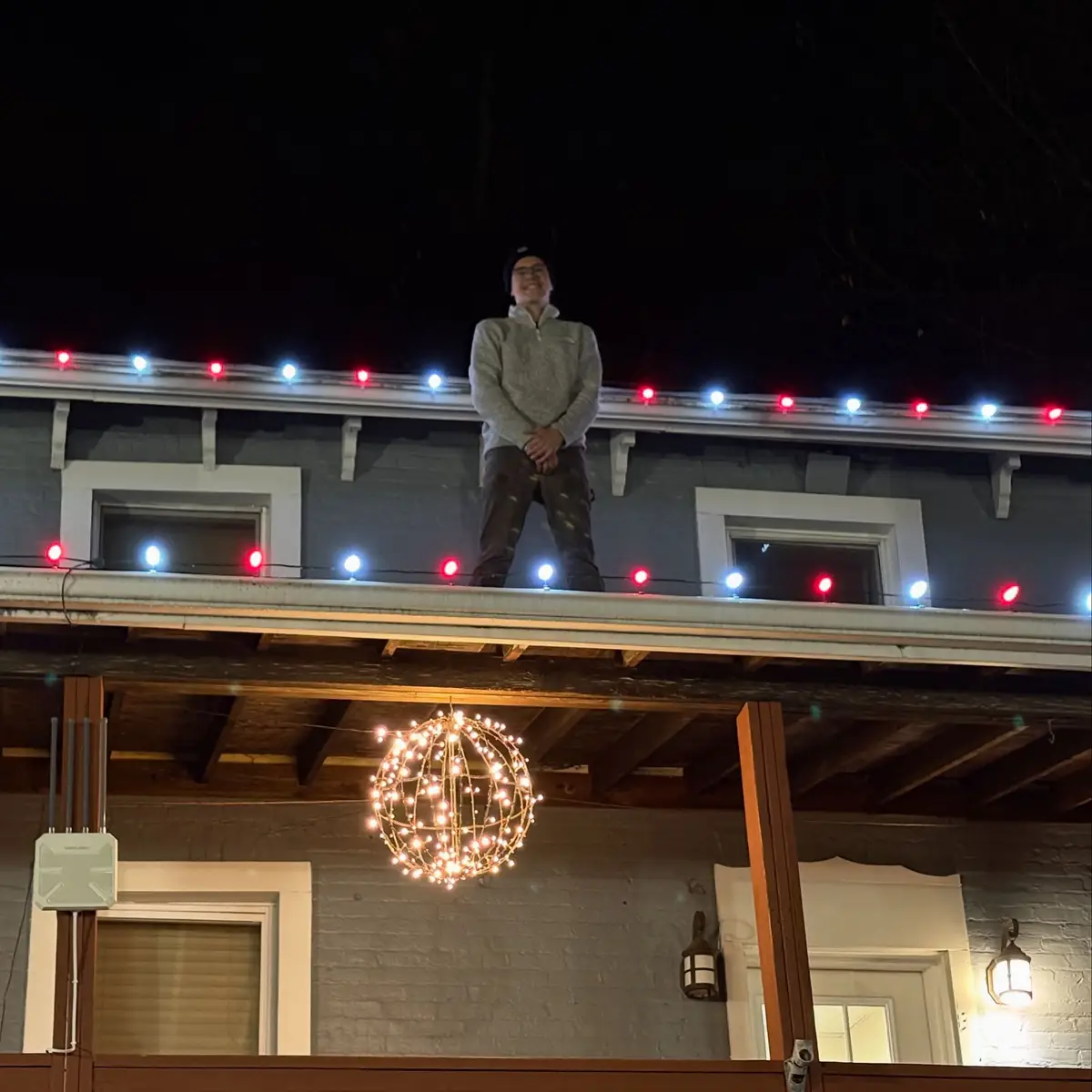
Installation is handled by a crew known as the Elves, working in costume with Christmas music playing, but treating the underlying work with the same seriousness as any professional install, PPE included.
Most homes are finished in one to two days, and every install ends with a walkthrough confirming the design matches what was approved and that the app controls work from your phone before the crew leaves.
That walkthrough is the point where white glove becomes tangible rather than a phrase on a website. Someone stands with you, tests the display, and answers questions before packing up, instead of leaving a finished job for you to discover on your own after dark.
The costumes and music are memorable, but they are really a signal of a broader attitude toward the work, that a seasonal job is still worth doing with care and personality, not treated as a rushed commodity task.
Phase three: in-season maintenance
This is the phase most DIY setups do not have at all. Any problem that comes up between install and takedown, a bulb, a wire, a connection knocked loose by weather, gets a response within 24 to 48 hours at no added cost.
It is this phase that turns Christmas lighting from a one-time transaction into an ongoing service for the length of the season, which is really the core of what white glove means in practice.
It is also the phase most easily skipped by a company only interested in the install revenue. Ask directly whether repairs are included before booking anywhere, since a cheaper up-front quote sometimes hides an uncovered repair fee later in the season.
The 24 to 48 hour response window is deliberately specific rather than a vague promise of quick service. It gives you something concrete to expect, and something concrete to hold a provider to if a repair drags on longer than that.
Phase four: takedown and storage
Takedown begins January 4 as weather allows. Everything comes down carefully, gets labeled by section, and is packaged for storage until the following November, ready to go back up without starting the design from scratch.
This closes the loop on the season. The next time you think about Christmas lights is the following fall, not a January weekend spent untangling and boxing everything yourself.
This is also the phase least visible to the homeowner, since it happens after the season everyone is paying attention to has already ended. Its quality only shows up the following November, in how quickly the next install goes.
Why all four phases matter together
Any one of these phases on its own is a normal service. It is having all four bundled, with nothing dropped between them, that actually earns the term white glove rather than just borrowing it.
See thraxel.com/blog/what-to-expect-on-christmas-install-day/ for phase two in detail, or thraxel.com/blog/christmas-lighting-in-season-maintenance/ for phase three. Start the whole process at thraxel.com/christmas/.
Homeowners around Greensburg and Latrobe evaluating a lighting company for the first time can use these four phases as a simple checklist. If a provider cannot speak to all four in a consultation, it is worth asking directly what happens after install day.