Warm vs color
Warm white vs color-changing landscape lighting: which zone gets which
Most well-designed properties run warm white most of the time and color occasionally, not one or the other everywhere. The question is not which is better, it is which zone actually benefits from the switch.

What each one is actually good at
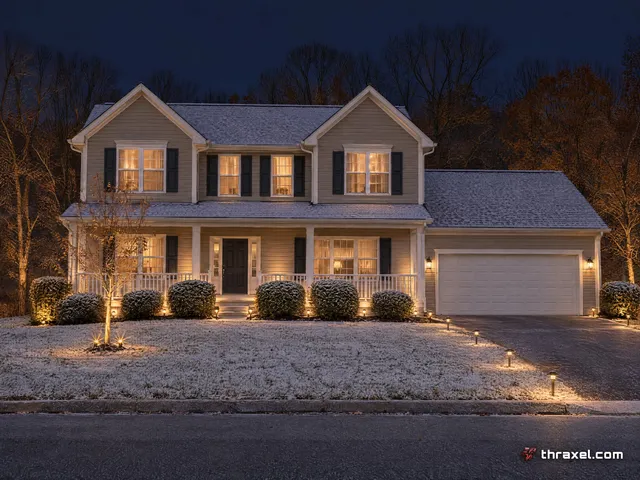
Warm white reads as natural, moonlight-adjacent light that works against any exterior material: brick, stone, siding, mulch, grass. It does not fight with anything and it does not date the design. It is the default for a reason.
Color-changing RGB fixtures earn their cost on zones meant to shift for occasions: a patio that goes from everyday warm to game day black and gold, a tree that turns orange and purple for one week in October, a pool deck that changes for a graduation party.
The two are not really competitors so much as tools for different jobs. Asking whether warm white or color is better is a bit like asking whether a hammer or a screwdriver is better, it depends entirely on what the fixture in that specific spot is being asked to do.
Where warm white is almost always right
Path and walkway lighting, driveway edges, and most tree uplighting stay warm white because they are functional zones first. A path that changes color for no reason can actually make it harder to read footing at night, which defeats the point.
Facade uplighting on stone or brick also tends to stay warm white, since that is the light that makes the material itself look good rather than turning the house into a display.
Fence lines and property-edge lighting are another near-universal warm white application, since these zones are typically about definition and safety rather than mood, running quietly in the background rather than drawing attention to themselves.
- Paths, steps and driveways: warm white for legibility
- Stone and brick facades: warm white shows the material honestly
- Everyday tree lighting: warm white for a natural, moonlit look
- Signature or feature elements: color, used sparingly, for occasions
Where color earns its keep
Patios, pool decks and any zone built around entertaining are where color-changing fixtures pay off most. These are spaces designed to shift with the occasion, and a system that can go from Everyday Warm to a July 4th red, white and blue scene without touching a bulb is worth the added cost there.
A single feature tree or a facade signage zone can also carry color well if it is the one visual anchor on the property, especially visible from the street or from inside during a gathering.
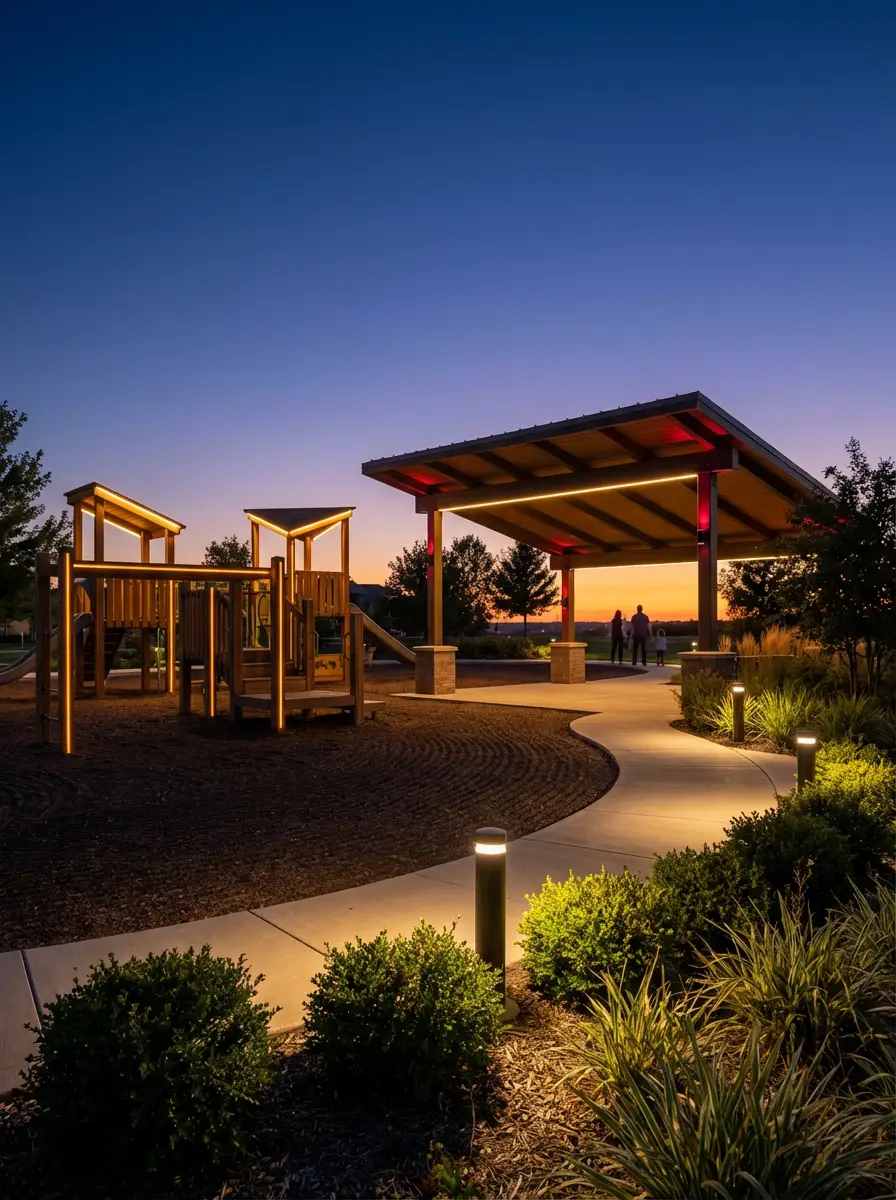
Commercial and HOA entrance zones are another case where color earns its place, since a plaza or community entrance often wants a seasonal identity, holiday colors in December, patriotic colors in July, that a residential front bed rarely needs.
The cost difference, honestly
Color-changing fixtures cost more per point than warm-white-only fixtures, which is part of why most Thraxel designs use color selectively rather than across an entire property. National industry estimates commonly run roughly $150 to $400 installed per fixture across landscape work generally, with color-capable fixtures typically landing toward the higher end of that range.
The honest advice on a consult is usually to spend the color budget on one or two zones that actually get used for entertaining, rather than spreading it thin across a property where most of it stays warm white anyway.
It is also possible to phase this decision. A property can install warm-white-only fixtures now and add a dedicated color zone later once a homeowner has lived with the system for a season and knows exactly where they want it.
Deciding for your property
A walkthrough looks at which zones you actually use for hosting, which are purely functional, and which are the visual anchors from the street or the back porch. That mix determines the split between warm white and color, not a one-size answer.
Get a free consultation at thraxel.com/quote/ and we will walk the property with you before pricing anything.
Bring photos of any specific look you have in mind, a neighbor's patio, a display you saw somewhere else, since it helps translate a vague idea into a concrete zone-by-zone plan faster than describing it from memory.
A note on resale and long-term taste
Warm white ages well. It looked right a decade ago and it will look right a decade from now, which matters if lighting is part of a longer-term investment in the property rather than a look tied to a specific trend. It is also the safer choice if the home might be listed for sale in the coming years.
Color-changing capability is more about flexibility than fashion, since the fixture itself still defaults to warm white and only shifts when a homeowner actively chooses it. That flexibility does not go out of style the way a fixed, permanently colored installation could.
The practical takeaway on most consults is that adding color-capable fixtures rarely costs anything in resale terms, since the system defaults to a timeless look and only shows its full range when someone actually uses it.
For a homeowner planning to list a property within a year or two, warm white across the board is generally the simplest, most broadly appealing choice for twilight listing photos and showings, without needing to think about which scene a buyer will see the system running.
Commercial and HOA properties weigh this differently, since a restaurant or plaza often wants a distinct, memorable identity after dark rather than a neutral, universally safe look, which is one reason color shows up more often on commercial jobs than on a typical residential front yard, where the goal is usually blending in rather than standing out from the street.