The three letters that matter
UL, ETL and CUL are not marketing stamps, they are test results
A UL, ETL or CUL mark on an electrical product means an accredited independent lab tested it against a recognized safety standard and it passed. It is a third party's finding, not the manufacturer's own claim about itself.

What each mark actually stands for
UL comes from Underwriters Laboratories, one of the oldest and most recognized independent safety testing organizations in North America. A UL mark means a sample of the product was tested against a specific safety standard for that category of device and met it, from wire insulation ratings to how a housing handles heat.
ETL comes from Intertek, a different accredited testing lab that certifies against the same underlying safety standards UL uses. The mark carries equal legal standing for code compliance purposes, it simply comes from a different accredited lab rather than a less rigorous one.
CUL and ETLc are the Canadian equivalents of each, confirming the product also meets Canadian safety requirements. A product carrying both a U.S. and Canadian mark has been tested against two separate national standards, not just one with a second logo attached.
Why the mark matters more than the brand name
A product can be sold under a well-known brand and still lack independent certification for the specific version being sold, particularly with lighting sourced through marketplaces where listings change hands and specs drift over time without anyone updating the safety documentation.
The mark is the part that is independently verified. The packaging claims around it, words like heavy-duty or commercial-grade printed on a box, are not independently tested at all and can mean whatever the seller wants them to mean.
- Look for the mark itself, not just a brand name you recognize
- Confirm the mark applies to the specific product, not a related model
- Outdoor-rated electrical products should carry a wet-location listing alongside the base mark
- A missing mark on an unfamiliar low-cost product is worth treating as a real gap, not an oversight
Why this matters more for permanent lighting than a single bulb
A permanent RGBWW system is wired into a house and left running for years, not plugged in for one season and stored. Every component along that run, pixels, track, connectors and controller, carries real consequences if any single piece was never independently tested for the conditions it operates in.
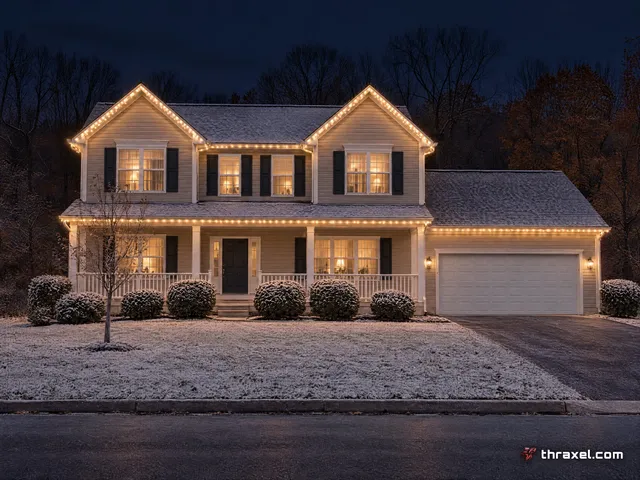
Thraxel's permanent lighting components are UL, ETL and CUL certified, and installation crews hold the manufacturer-required certifications for the specific systems they put on your house, which is a separate credential from the product testing itself and covers how the system is installed, not just what it is made of.
How this connects to insurance and inspections
Some homeowners insurance policies and local inspections reference listed and certified electrical equipment specifically. Installing uncertified components can complicate that conversation later, whether it is a claim after a problem or a routine inspection tied to a home sale years down the line.
It is a detail easy to skip when comparing quotes on price alone, and one worth asking any installer about directly before signing anything, since the cost difference between certified and uncertified components rarely shows up clearly on a basic estimate.
A home inspector evaluating a property before a sale may specifically note uncertified exterior electrical work as a finding, which can turn into a negotiating point at closing over what started as a routine holiday lighting decision years earlier.
What to ask before hiring anyone
Ask directly whether the components being installed carry UL, ETL or CUL certification, and ask to see it rather than take a verbal answer. A legitimate installer will have this documented and will not treat the question as unusual. thraxel.com/blog/questions-to-ask-a-lighting-installer/ covers other questions worth asking at the same time.
The short version
These three marks exist because an independent lab, not the seller, decided the product met a real safety standard. For anything wired permanently into your home's electrical system, that independent check is not optional paperwork. It is the difference between a system built to last and one you are hoping holds up through the next decade of Western PA winters.
None of this requires an electrical background to verify. The marks are printed on the product or its documentation, and any installer should be able to point to them directly rather than asking a homeowner to take their word for it.