River town pride
Holiday lights and hometown pride along the Allegheny
Along the Allegheny River, a lit-up December is not just decoration, it is a small statement about the town itself. Kittanning and its neighbors treat the season as a chance to show a river town still has some shine to it.

A river town identity that predates any lighting company
Kittanning sits in Armstrong County on the Allegheny River, about 45 miles northeast of Pittsburgh, and towns like it up and down the water share a similar shape: a compact downtown, older housing stock close to Main Street, and a strong sense of where the town's edges are. That kind of identity tends to show up loudest in December.
A lit storefront or a well-decorated block downtown is not just for the residents. It is a signal to anyone passing through on a river road that the town is still occupied, still cared for, still worth a second look after dark, especially in the months when daylight is shortest and a town can otherwise look quiet by four in the afternoon.
That signal matters more in a smaller river town than it does in a big city, where a single block of lights barely registers against everything else going on. In Kittanning or a town its size, the same block can define how the whole town reads to a visitor driving through.
Downtown versus the residential streets
River town downtowns often lean on greenery, garland and warm white more than full-color programs, since a lot of that decorating sits close to older brick storefronts where a busier display would clash. The residential streets a few blocks back tend to get more personality: color, figures on the lawn, a family's own version of the season.
Both halves feed the same effect. A visitor driving through a town like Kittanning in December sees a downtown that looks cared for and a residential grid that looks lived-in and lit. That combination is part of what hometown pride looks like on the ground, and it is one reason locals notice quickly when either half of that picture is missing.
Business owners along Main Street and homeowners a few streets over are, without much coordination, both contributing to the same overall impression a town makes in December, even though they are usually decorating for entirely separate reasons.
Small businesses carry more of the load than people notice
A single lit storefront in a small downtown does more visual work than the same lights would on a larger commercial strip, simply because there is less competing for attention. Business owners in river towns tend to know this, and many decorate their fronts as much for the town's look as for their own foot traffic.
That extra effort is not always about direct sales either. A well-lit storefront next to a dim one changes how the whole block reads, and owners who have run a business in a small downtown for years tend to understand that their decorating choices affect their neighbors' storefronts too, not just their own.
Where Thraxel fits into that picture
Thraxel is based in Kittanning, the same river town this kind of pride is built around, and started as 160 Glow hanging seasonal lights across Western Pennsylvania before the current name and a permanent lighting line came along. The brothers running it grew up watching the same downtown light up every winter.
That local footing matters for river town work specifically. Marine-grade, salt-tested components matter more near a river with winter road treatment runoff than they do on a hill fifty miles inland, and it is the kind of detail a crew that grew up nearby tends to already account for without needing to be told.
What it means for a homeowner deciding to decorate
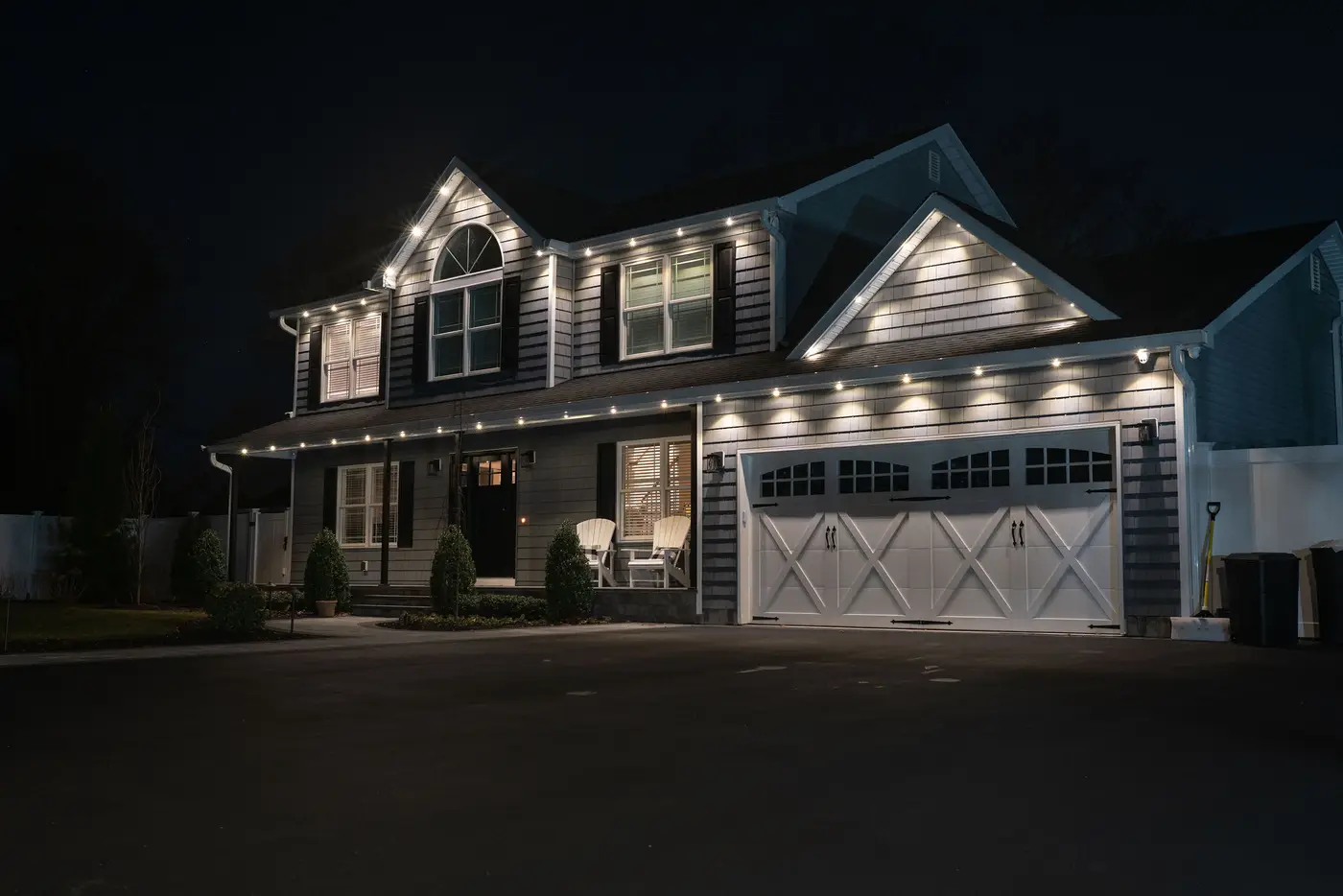
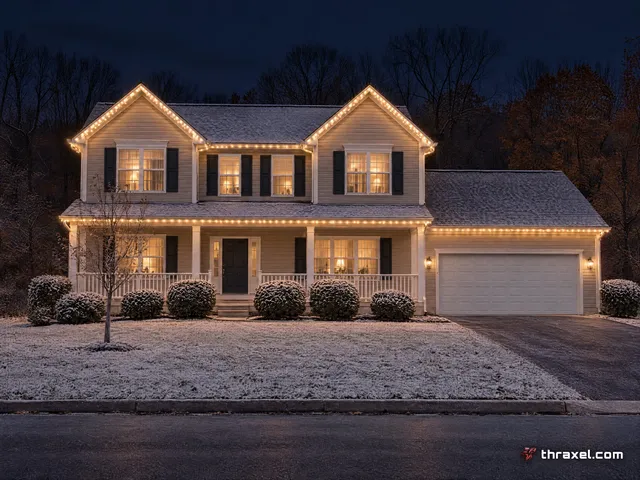
None of this requires the biggest display on the block. A well-kept warm-white roofline on a river town street does the same civic work as a bigger production two counties over. The goal locally has always been a town that looks like someone still cares about it, not a competition for the most lights per square foot.
That is worth remembering for anyone weighing whether their own display matters much in the scheme of a whole town. In a river town small enough that most people know most streets, it usually does, more than the same house's decorating would matter in a much larger municipality.
A tradition that outlasts any one storefront
Businesses along a Main Street come and go over the decades, but the pattern of a river town lighting up together every December has held steady regardless of which storefronts happen to be occupied in any given year. That continuity is part of what makes it feel like a tradition rather than just a seasonal habit.
New owners taking over an old storefront in a river town tend to pick up the decorating habit quickly, sometimes within their first season, simply because the surrounding block already expects it. In that sense, the tradition trains new arrivals almost as much as it reflects the preferences of anyone already established there.
The same logic extends to homeowners moving into an established river town neighborhood for the first time. A block that has spent years building a reputation for its December look tends to pull new residents into the same pattern, whether or not decorating was already part of their own family's habits before they arrived.
Pride that extends past a single December
For a lot of long-time residents, a lit-up December is one of a handful of visible signals, alongside a maintained park, a busy Main Street or a well-kept riverfront walk, that a town is holding its own. None of those signals depend on the others, but they tend to travel together in towns that residents describe as still having some life in them.
That broader context is part of why a homeowner's individual decorating choice can carry more weight in a small river town than it might elsewhere. It is rarely just about one house. It is one more small piece of evidence, repeated block by block, of a town that still cares how it looks after dark.