Wired for weather
Electrical safety outdoors is a different problem than electrical safety inside
An outlet, a cord and a bulb behave differently once they are wet, frozen or baking in July sun. Outdoor electrical safety comes down to using components rated for that, not the ones that happen to fit in a garage drawer.

The rating gap most people never check
Plenty of light strings and extension cords sold for general use are only rated for dry, indoor conditions. Run one across a lawn or up a roofline and the plastic jacket that was fine on a bookshelf can crack under UV exposure and cold within a single season outdoors.
Look for a wet-location or outdoor rating on any cord, connector or fixture before it goes outside. If the packaging does not say it, treat it as indoor equipment and keep it there, even for a temporary evening setup like a party or a one-off event.
The label is usually easy to find once you know to look for it, printed near the plug or molded into the cord jacket itself. It is a five-second check that most homeowners skip entirely before an item goes into a yard or onto a roofline for the season.
Why wire gauge is not a minor detail
A thinner wire carrying more current than it should heats up. Indoors that might just mean a warm cord. Outdoors, combined with moisture and repeated flexing in the cold, a thin conductor is a legitimate fire and failure risk over the course of a season.
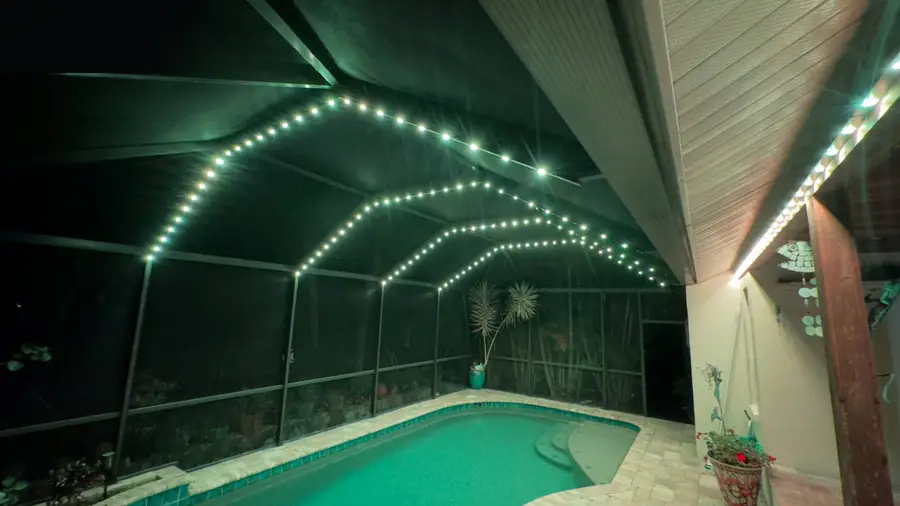
Thraxel installs permanent lighting on 16-gauge wire specifically because it holds up to years of outdoor current draw without the heat buildup that thinner gauge wire can develop under load, especially across the long, continuous roofline runs typical of a full permanent install.
Sealed connections matter more than the fixture itself
Most outdoor electrical problems we get called out for start at a connection point, not inside a bulb or a pixel. Water finds the seam between a plug and a socket, and once it is in there, it does not leave on its own without intervention.
That is why every connector in a permanent system sits inside IP67 marine-grade silicone housing. The rating means the seal is tested to keep water out under submersion, not just a light drizzle, which matters through an Allegheny River winter as much as a summer thunderstorm.
Fixtures near a dock, a pool or a low spot in the yard that collects standing water need this level of sealing even more than a roofline does, since those locations spend more of the year in direct contact with moisture than a fixture mounted higher up.
- Match the cord or fixture rating to where it will actually live: wet, damp or dry
- Keep every plug connection up off the ground where water pools
- Never bundle or coil cords tightly while they are carrying a load
- Replace anything with a cracked jacket rather than taping over it
What overloading a circuit looks like outside
Daisy-chaining too many strings off one outlet is the classic seasonal mistake, and it is just as much an electrical issue outdoors as it is indoors, with the added complication of moisture near every one of those connection points along the chain.
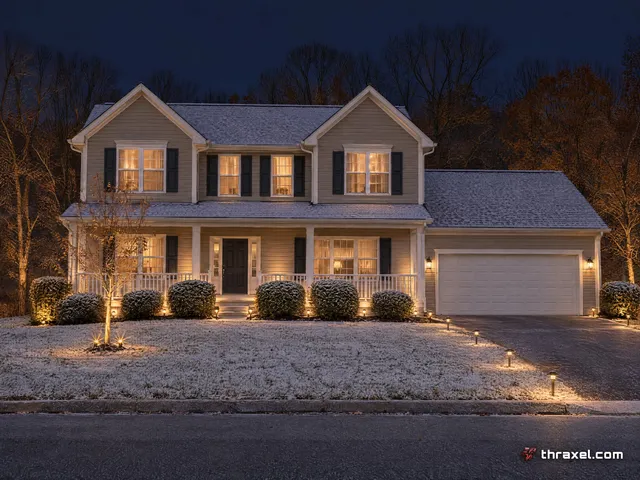
A landscape lighting layout with firepits, path lights and a dock in play needs the load spread and planned, not improvised outlet by outlet on install night. That planning happens before a single fixture goes in the ground, based on the actual wattage of everything the layout will eventually include.
How our crews approach it
Every landscape and permanent job starts with a circuit plan, not a guess. We size the wire and connections to the actual load of the zones being lit, whether that is a patio, a fence line or a full roofline, and every component carries a rating built for the location it ends up in.
That planning step is invisible in the finished product, but it is the difference between a system that runs quietly for years and one that develops a mysterious flicker or a tripped breaker every few weeks once the weather turns.
The simplest test for a homeowner
If you can see a cord's jacket has gone stiff, cracked or faded, replace it before it goes back outside. If a connection sits directly on wet ground or in a puddle after rain, move it. Those two checks catch most of the outdoor electrical problems we see before they become a real one.