Shared walls, shared rules
Exterior lighting on a condo or townhome runs through the association first
A shared roofline or a party wall means your exterior is not entirely yours to modify without a conversation. Condo and townhome associations typically require approval before any fixture, wiring or track goes up, and that process is worth understanding before a quote, not after.

Why attached homes are a different conversation
A single-family home with a private roofline is a straightforward install decision made by one owner. A townhome sharing a roof structure, or a condo with an exterior wall that technically belongs to the association, involves a second party in that decision before anything gets mounted.
This is not unique to lighting. Anyone who has repainted a shared exterior or replaced a shared fence knows the pattern. Lighting is usually a smaller ask than either of those, but it still runs through the same approval channel most associations already have in place.
The upside is that once a unit type is approved, neighboring units in the same building or row often move through review faster on a similar request, since the board has already seen what the installation looks like in practice on a comparable exterior.
What associations typically want to know
Most reviews focus on the same handful of questions: what does it look like during the day, does it change the building's exterior appearance, and who is responsible for maintenance and eventual removal if the unit changes hands down the line.
Some associations also ask about noise, though lighting rarely triggers that concern the way an HVAC unit or a generator would. The more common secondary question is whether the fixture draws power from a source shared with other units or from the individual unit's own circuit.
- Daytime appearance of any mounted hardware
- Whether wiring is visible or fully concealed
- Whether the fixture affects a shared structural element
- Maintenance responsibility if the unit is sold
Why a small physical footprint helps this conversation
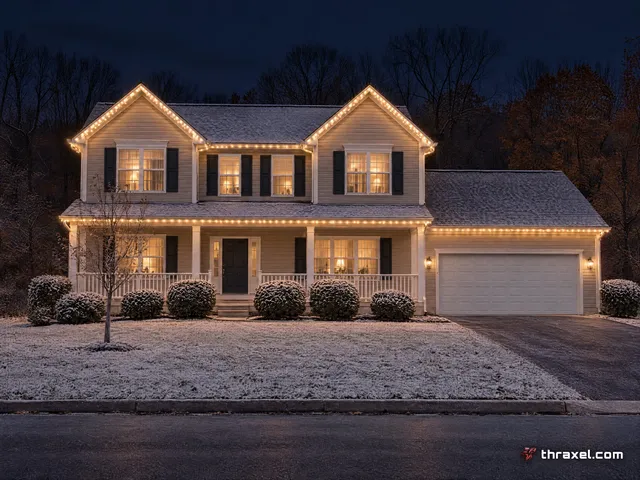
Color-matched aluminum track mounted tight to the fascia is a smaller physical change than most exterior modifications an association reviews, and it does not alter the building's daytime appearance since it is designed to be invisible then. That tends to make it an easier approval than a larger structural addition would be.
It also does not require rewiring through the interior of a shared wall in most layouts, since the system is powered and controlled at the point of installation rather than tied into a building's shared electrical infrastructure across multiple units.
A board reviewing a small, reversible, daytime-invisible change is generally working through a shorter conversation than one reviewing a satellite dish, a solar panel array, or a structural addition to a shared roof.
What we bring to that conversation
A design mock-up of the actual unit, delivered within 24 hours of a free consultation, gives an association something concrete to review rather than a verbal description. Pairing that with proof of insurance, covered at thraxel.com/blog/insured-installers-and-your-liability/, generally answers the two questions a board asks most: what will it look like, and who is liable if something goes wrong during installation.
We can also provide documentation on the mounting method and the certifications the components carry, which some boards ask for as a matter of course before approving anything wired into a shared structure, even a change as small as roofline track.
Where this comes up most in our footprint
Townhome communities in Cranberry Township, Wexford and similar developments make up a real share of the consultations we run, and the association approval question comes up early in nearly every one of them, well before color or scene selection gets discussed at all.
Larger condo complexes with a managing agent rather than a resident-run board sometimes add an extra step, since the request may need to route through a property management company before it ever reaches a vote. That step is worth asking about at the very start of the process.
What to do before requesting a quote
Check your association's governing documents for any exterior modification or architectural review clause, and have that process in mind when you schedule a consultation. It does not change what gets installed, but knowing the approval path ahead of time keeps a project moving instead of stalling at the board level for weeks.